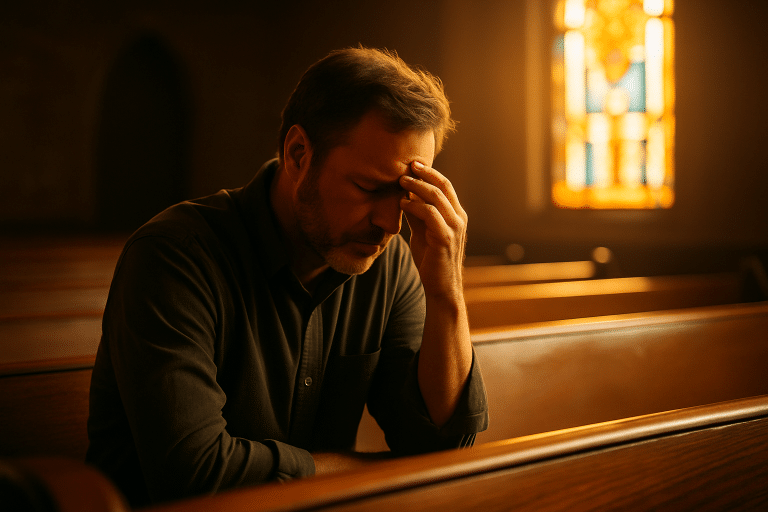
Christianity and Christian: A Guide to Core Beliefs
Estimated reading time: 13 minutes
Introduction: What Does IT Mean to Be a Christian Today?
Embarking on the Christian faith journey today raises a profound question: what is a Christian? At its heart, being a Christian means having a personal relationship with Jesus Christ and striving to follow His teachings. This path, however, involves more than just spiritual assent; it engages our entire person. Modern Christianity increasingly recognizes the integration of psychological and spiritual truths. In fact, some view these as instruments of God’s grace for holistic well-being, as noted by Broadview Prayer-Brain Research. Therefore, following Jesus invites us into a life where faith informs our mental, emotional, and physical health.
The Christian Life: Support in Community
Furthermore, the Christian life is not meant to be lived in isolation. The Bible consistently emphasizes the importance of community, or The Church, as the family of God. In a world of digital connections yet profound loneliness, the support of a faith community is more vital than ever. This is supported by research from Harvard T.H. Chan School, which highlights the significant social and spiritual support found in religious communities as a protective factor against despair. For instance, sharing struggles, receiving spiritual counsel, and praying with trusted friends are essential practices that reinforce Christian values and provide resilience for the journey.
Ultimately, the journey of Christianity and a Christian is about transformation. The goal is not perfection but a continual process of becoming more like Jesus Christ through the power of the Holy Spirit. This involves an intentional renewal of our minds, as the Apostle Paul encourages in Ephesians 4:23. As referenced by research highlighted by Duke Scholars Publication, this is an active process of replacing falsehoods with God’s truth, which is especially powerful for those facing despair. In other words, Christian living is a dynamic partnership with God, where we actively participate in our spiritual growth by aligning our thoughts and actions with biblical principles, leading to a more joyful and purposeful life.
The Core of Christianity and the Christian Faith: a Relationship, Not a Religion
At its heart, the Christian faith journey is less about a set of rules and rituals and more about a dynamic, personal relationship with God through Jesus Christ. In other words, while traditions and doctrines are important, they are meant to support this core connection, not replace it. The essence of following Jesus involves ongoing communication with Him, which can be a profound source of peace and empowerment for mental health, as noted by Psychology Today. Consequently, modern Christianity emphasizes a holistic approach where spiritual truths and psychological insights are seen as instruments of God’s grace for overall well-being, a concept explored by Broadview Prayer-Brain Research. This perspective reframes Christian living not as mere adherence to a religious code, but as a life-transforming relationship.
This relationship with God naturally extends into a relationship with others in The Church. The Bible encourages believers not to walk alone but to engage in a community that offers vital social and spiritual support. For instance, research from Harvard Public Health News highlights how confiding in trusted church friends and leaders is a protective factor against despair. This communal aspect of faith provides a space for shared struggles and encouragement. Furthermore, this journey involves an intentional process of renewing the mind, as described in Ephesians 4:23, by actively replacing destructive thoughts with God’s truth, a principle discussed by Duke Scholars Publication. Ultimately, this combination of personal connection with God and supportive community forms the foundation of a resilient Christian life.
Foundational Beliefs: the Trinity, the Bible, and God’s Character

At the heart of Christianity and Christian living are foundational beliefs that provide a framework for faith and life. Central to these is the doctrine of the Trinity, which describes one God existing in three distinct persons: the Father, the Son (Jesus Christ), and the Holy Spirit. This concept reveals the relational nature of God. The other cornerstone is the Bible, which Christians hold to be the inspired and authoritative word of God. In short, these tenets are not merely abstract theological points; they are the very bedrock of a personal relationship with God and a guide for following Jesus.
Consequently, these sources reveal a God of immense love, grace, and peace, whose character shapes the entire Christian faith journey. Understanding this character is essential, as it transforms spiritual practices like prayer from a simple ritual into a dynamic conversation. Prayer becomes a source of divine peace that, as noted by Psychology Today, can empower individuals to proactively care for their mental health. Furthermore, this deep understanding of God’s truth supports the intentional process of renewing the mind. This involves actively replacing destructive thoughts with divine truth, a practice advocated by both scripture (Ephesians 4:23) and research highlighted by Duke Scholars Publication.
Ultimately, modern Christianity encourages an integrated approach where core doctrines serve as the foundation for holistic well-being. This perspective allows a person’s faith to thoughtfully engage with all areas of life, including science and psychology. For instance, viewing psychological knowledge as an instrument of God’s common grace, a viewpoint discussed by Broadview Prayer Brain Research, helps create a robust framework for health. This approach combines the spiritual truths of the Bible and God’s character with practical, evidence-based tools, forming a solid foundation for the Christian life in today’s world.
The Human Condition: Understanding Sin and the Need for Grace
Central to Christian beliefs is the understanding of the human condition, which begins with the concept of sin. Far from being merely a list of forbidden actions, sin describes a fundamental state of separation from God. This separation creates a void and results in a brokenness that touches every area of life. Consequently, many people face ongoing spiritual struggles that, as Christian Antidepressants explains, often require a holistic approach combining prayer, discipleship, and therapy.
In response, Christianity and Christian theology present the profound concept of Grace. Grace is God’s unmerited, loving answer to human sin, offering forgiveness and reconciliation as a free gift through faith in Jesus Christ. This divine gift doesn’t just pardon; it actively begins to heal and restore. Therefore, receiving grace initiates a transformative process. As highlighted by research on Ephesians 4:23 from Duke Scholars Publication, this involves an intentional renewal of the mind, replacing destructive patterns with truth.
Living in light of this reality fundamentally changes the Christian life, shifting it from guilt toward gratitude. For instance, an article from Medical News Today connects the extension of grace with increased thanksgiving. This understanding also fosters deep humility and community. Recognizing our shared need for grace encourages confession and mutual support, a powerful part of the healing process discussed by Mayo Clinic SSRIs. It becomes a journey of depending not on our own strength, but on God’s unending grace.
What Following Jesus Truly Means

The Christian faith journey involves far more than intellectual agreement with a set of beliefs; it is a dynamic and transformative process of following Jesus. In essence, this means surrendering one’s own path to walk in His, allowing His teachings to reshape every aspect of life, from thoughts to actions. This journey requires an intentional renewal of the mind, as described in Ephesians 4:23, where we actively replace old patterns of thinking with God’s truth. As detailed in research highlighted by Duke Scholars Publication, this cognitive restructuring is a powerful spiritual discipline for overcoming despair and embracing a life aligned with Christian values. It is a daily choice to be guided by the Holy Spirit rather than by fleeting cultural norms or personal desires.
Christian Living: Community and Prayer
Furthermore, following Jesus is not a solitary endeavor but one that flourishes within a community. The Church provides a vital network of social and spiritual support, which, as noted by Harvard Public Health News, is a significant protective factor for mental well-being. This community is where believers encourage one another, share struggles, and grow together in faith. In addition, a core practice in this journey is prayer, which is not merely a request list but an intimate conversation with God. This spiritual discipline is a source of profound peace and empowers individuals to navigate life’s challenges, a concept supported by insights from Psychology Today.
Ultimately, the call to follow Jesus includes what He described as taking up one’s cross daily (Luke 9:23 (NIV)). This concept speaks to a life of self-denial and sacrifice, not for the sake of suffering, but for the sake of a greater joy and purpose found only in Him. It means prioritizing God’s will over personal ambition and trusting His plan above our own. While this path has its challenges, it is also filled with grace, forgiveness, and the promise of an abundant life. Consequently, it is a journey of becoming more like Christ, reflecting His love and compassion to the world through our actions and character.
The Practice of Faith: Prayer, Worship, and Community in Christian Living
The essence of Christian living is actively nurtured through the foundational practices of prayer, worship, and community. This Christian faith journey is not passive; rather, it involves intentionally engaging with God and fellow believers. Prayer, for instance, is more than just a list of requests; it is a direct line to God that offers profound peace and mental clarity. As explained by Psychology Today, prayer can be a powerful tool that empowers individuals to proactively manage their mental health. Consequently, this regular communication builds a resilient relationship with Jesus Christ, turning faith into a lived experience.
Cultivating Joy Through Christian Gratitude
Worship is another vital component, extending far beyond Sunday music. It is a posture of reverence and gratitude that reshapes our perspective on daily life. When we practice gratitude, we essentially train our minds to recognize God’s blessings, even amidst challenges. This practice has tangible benefits, as research from Harvard Health Publishing suggests that giving thanks can lead to greater happiness. In other words, by deliberately focusing on God’s goodness, we cultivate a joyful spirit that reflects a heart devoted to following Jesus. True worship, therefore, becomes a continuous act of acknowledging God’s sovereignty and grace in all things.
Finally, the Christian life was never meant to be lived in isolation. The Church provides a community for mutual support, encouragement, and accountability. Sharing life with other believers provides a crucial network of care, which is particularly important during difficult times. According to Harvard Public Health News, the social and spiritual support found in religious communities is a significant protective factor for well-being. This echoes the biblical principle found in Hebrews 10:24-25, which encourages believers to meet together to spur one another on toward love and good deeds. This shared journey strengthens individual faith and collectively displays the love of Christ to the world.
Mental Health and the Christian Life: Integrating Faith and Psychology

Navigating the complexities of mental health is a vital aspect of modern Christian living, prompting a necessary conversation at the intersection of psychology and faith. For centuries, discussions surrounding Christianity and Christian perspectives on mental well-being have evolved, moving toward a more holistic understanding. Instead of viewing faith and psychology as opposing forces, many now see them as complementary partners in the journey toward wholeness. For instance, integrating sound psychological principles with spiritual truths can be seen as embracing God’s common grace, which, according to Internet Protocol Security, provides instruments for our well-being. This integrated approach allows believers to address their mental health without abandoning their spiritual foundation, creating a supportive framework for healing and growth.
Christian Practices for Emotional Peace
The Christian faith journey is not immune to challenges like anxiety, depression, and despair; however, it offers profound resources for resilience. Spiritual practices are powerful tools for emotional regulation and peace. As explained by psychologytoday.com, prayer can be a source of God’s peace that empowers individuals to proactively care for their mental health. Furthermore, the Bible encourages an intentional process of renewing the mind, as mentioned in Ephesians 4:23. This involves replacing destructive thoughts with truth, a concept that Duke Scholars highlights as crucial for those facing despair. Consequently, by engaging with these spiritual disciplines, individuals can actively participate in their own mental and spiritual restoration, finding strength in God’s promises.
Beyond individual practices, the communal aspect of The Church provides a critical support system for mental wellness. Research from Harvard Public Health News indicates that the social and spiritual support found in religious communities is a protective factor against ‘deaths of despair.’ Sharing struggles with trusted friends or church leaders for spiritual counsel and prayer creates a space for vulnerability and healing. In other words, this sense of belonging reminds us that we are not isolated in our struggles. This communal support, combined with personal faith practices and, when necessary, professional psychological help from sources like those discussed by SSRI Antidepressants, embodies a comprehensive and Christ-centered approach to mental health.
The Believer’s Role in the World: Love, Service, and the Great Commission
True Christian living moves beyond personal belief into active love and service, forming the core of the Christian faith journey. Central to this outward focus is the Great Commission, where Jesus Christ commands his followers to make disciples of all nations (Matthew 28:19-20). This mission, however, is not a solitary burden. In fact, the spiritual and social support found within The Church community is a powerful protective factor against what some researchers call ‘deaths of despair,’ as highlighted by Harvard University News. Consequently, engaging in this shared mission strengthens both the community and the individual, creating a resilient network of support for following Jesus.
Christian Living’s Mental Health Benefits
This global mission is lived out locally through tangible acts of love and service that reflect core Christian values. Following Jesus’ command to “love your neighbor as yourself” (Bible Gateway: Mark 12:31) often involves putting the needs of others first. Interestingly, this selfless focus can profoundly benefit one’s own mental health by fostering gratitude. According to research published by Neuroscience of Gratitude, the regular practice of gratitude can train the brain to focus on life’s positive aspects. Furthermore, the Mayo Clinic Health System notes that expressing gratitude improves overall health by helping us appreciate blessings, even during difficult periods. Therefore, serving others is both an act of faith and a step toward a healthier mind.
Ultimately, the Christian life is about being “the salt of the earth” and “the light of the world” (Matthew 5:13-16), demonstrating God’s love and Grace through our actions. Being an effective witness involves holistic well-being—spiritual, emotional, and mental. A believer’s impact is often tied to their own health, which is why embracing a holistic approach is so important. As Christian Anti-Depressants suggests, addressing mental health may require a combination of prayer, discipleship, and therapy. In other words, by tending to our own well-being, we become better equipped to serve God and share His message of hope with the world around us.
Conclusion: Embarking on Your Christian Faith Journey
Ultimately, exploring the relationship between Christianity and Christian identity is the start of a profound, lifelong Christian faith journey. This path is not about achieving perfection but about fostering a continuous, personal relationship with God through Jesus Christ. It involves embracing core Christian beliefs, understanding the depth of God’s grace, and learning what it means to live a life of love and service. Therefore, this journey is a dynamic process of growth, shaped by scripture, prayer, and a commitment to following Jesus in every aspect of modern life. It is an invitation into a story much larger than our own, filled with purpose, hope, and transformation.
This journey, however, is not meant to be walked in isolation. The Christian life thrives within the context of community, where shared struggles and encouragement are essential. In fact, the spiritual support found in religious communities is a significant protective factor for well-being, as noted by Harvard Public Health News. This holistic approach integrates our spiritual, emotional, and physical health, recognizing that all are interconnected. Consequently, a balanced perspective, such as the one offered by Christian Anti-Depressants, acknowledges that discipleship and therapy can work together. As you move forward, remember that prayer can be a powerful source of God’s peace, empowering you to take proactive steps for your mental health, a concept supported by Psychology Today. May your path be filled with grace and a deepening awareness of God’s unwavering love for you.