Panic Attack Tips for First Time Sufferers: Find Peace
Estimated reading time: 12 minutes
Introduction: the Unseen Storm of a First Panic Attack
If you are searching for panic attack tips for first time sufferers, you have likely endured one of life’s most frightening experiences. A first panic attack often arrives without warning, a sudden and overwhelming tidal wave of fear that feels both unfounded and life-threatening. One moment you are fine, and the next, your heart is pounding, your reality feels distorted, and you are gripped by a terrifying sense of impending doom. This intense episode is not a sign of weakness or a loss of control; rather, it is a legitimate medical event. According to the Cleveland Clinic, a panic attack is a sudden surge of overwhelming fear that comes on for no apparent reason, accompanied by intense physical symptoms. Understanding this is the first step toward finding first panic attack help.
What Is a First Panic Attack Physically?
Physiologically, what you experienced was your body’s emergency alert system—the “fight-or-flight” response—misfiring. This primal mechanism is designed to protect you from immediate danger, but during a panic attack, it activates in the absence of a real threat. Consequently, your body is flooded with adrenaline, causing symptoms like a racing heart, shortness of breath, and trembling. The Better Health Channel (VIC Gov) explains that this response is an automatic and powerful reaction from your nervous system. For many Christians, it can be confusing to experience such a visceral event, but it’s crucial to understand that this is a physiological process, not an indication of a failing faith. Your body is simply reacting to a perceived, albeit unseen, threat.
In the aftermath, it is common to feel shaken, exhausted, and even ashamed, wondering where God was in the storm. This is an especially important moment to guard your heart from the lie that you are alone or have been abandoned. In fact, you are in good company; millions of adults in the U.S. experience panic attacks, as noted by WebMD. The journey toward healing involves both spiritual encouragement and practical, evidence-based strategies. As we will explore, God offers comfort through His Word and also provides wisdom through the tools of psychology and medicine. Therefore, this guide will provide biblical help for panic alongside proven techniques to help you navigate and overcome these episodes.
What Just Happened? a Christian Perspective on a First Time Anxiety Attack
Experiencing a first time anxiety attack can be a profoundly frightening and confusing event, often leaving you feeling completely out of control. It is vital, first and foremost, to understand that this experience is not a reflection of a weak faith or a spiritual failing. Instead, a panic attack is a medical event. According to the Cleveland Clinic, it is a sudden episode of intense fear that triggers severe physical reactions when there is no real danger. In short, your body is reacting to a threat that your mind cannot see, but this does not mean you are distant from God.
In other words, your body’s God-given alarm system has been triggered unnecessarily. This physiological process is widely known as the ‘fight-or-flight’ response, a powerful survival mechanism designed to protect us from harm. The Better Health Channel (VIC Gov) explains that during a panic attack, your nervous system activates this response, causing symptoms like a racing heart, shortness of breath, and trembling. Understanding that this is a physical process, rather than a spiritual judgment, is a critical first step toward healing and finding peace.
Consequently, you are not alone in feeling overwhelmed, and your struggle does not invalidate your faith. Even Jesus experienced profound anguish in the Garden of Gethsemane, demonstrating that deep distress is part of the human condition. As ministry resources like Desiring God remind us, our Savior understands suffering intimately. Your experience, while terrifying, can be a path to a deeper reliance on God’s grace. We encourage you to explore scriptures of comfort on a resource like Bible Gateway, starting with passages like Philippians 4:6-7.

A first panic attack can feel like an unseen storm. Understanding what is happening is the first step toward finding peace and effective coping strategies. You are not alone in this experience.
Immediate First Panic Attack Help: Grounding in Faith and Physiology
When you need immediate first panic attack help, the initial moments can feel like a storm overwhelming your body and mind. This intense experience is a physiological event, often described by experts as the ‘fight-or-flight’ response kicking into overdrive, as noted by the Better Health Channel (VIC Gov). Your body is simply reacting to a perceived threat, even if one isn’t obvious. Therefore, the first step is to recognize that this is a physical, albeit terrifying, reaction of your nervous system and not a failure of your spirit.
To counteract this surge, you can immediately engage in simple grounding techniques. For instance, focusing on your breath is a powerful tool to signal safety to your brain. Medical News Today details methods like the 5-4-3-2-1 technique, where you identify five things you see, four you can touch, three you hear, two you smell, and one you can taste. This physical focus pulls your attention away from the internal chaos and back into the present moment, consequently helping to regulate your racing heart and shallow breathing.
Simultaneously, you can ground yourself in your faith. This is not about mustering up more faith to “fix” the feeling, a misconception the Cleveland Clinic rightly dispels as untrue. Instead, it’s about anchoring your mind on a steadfast truth. Whispering a simple prayer or a verse like, “The Lord is near” (Philippians 4:5) can act as a spiritual anchor. In fact, scientific research published by PMC (PubMed Central) / NIH has shown documented links between spiritual practices and health outcomes. In short, coupling a physiological technique with a spiritual truth provides a powerful, two-pronged approach to navigating the initial wave of panic.
The Science of Stillness: Calming Your Nervous System
To find effective first panic attack help, it is crucial to understand what is happening within your body. A panic attack is your God-given “fight-or-flight” response activating at the wrong time. As explained by the Better Health Channel (VIC Gov), your nervous system floods your body with adrenaline for a perceived threat, causing physical symptoms like a racing heart and trembling. Therefore, the goal is not to fight this innate system but to gently signal to it that you are safe. This involves learning to manage the physiological response that, according to Harvard Health, is designed for survival but feels overwhelming without immediate danger.
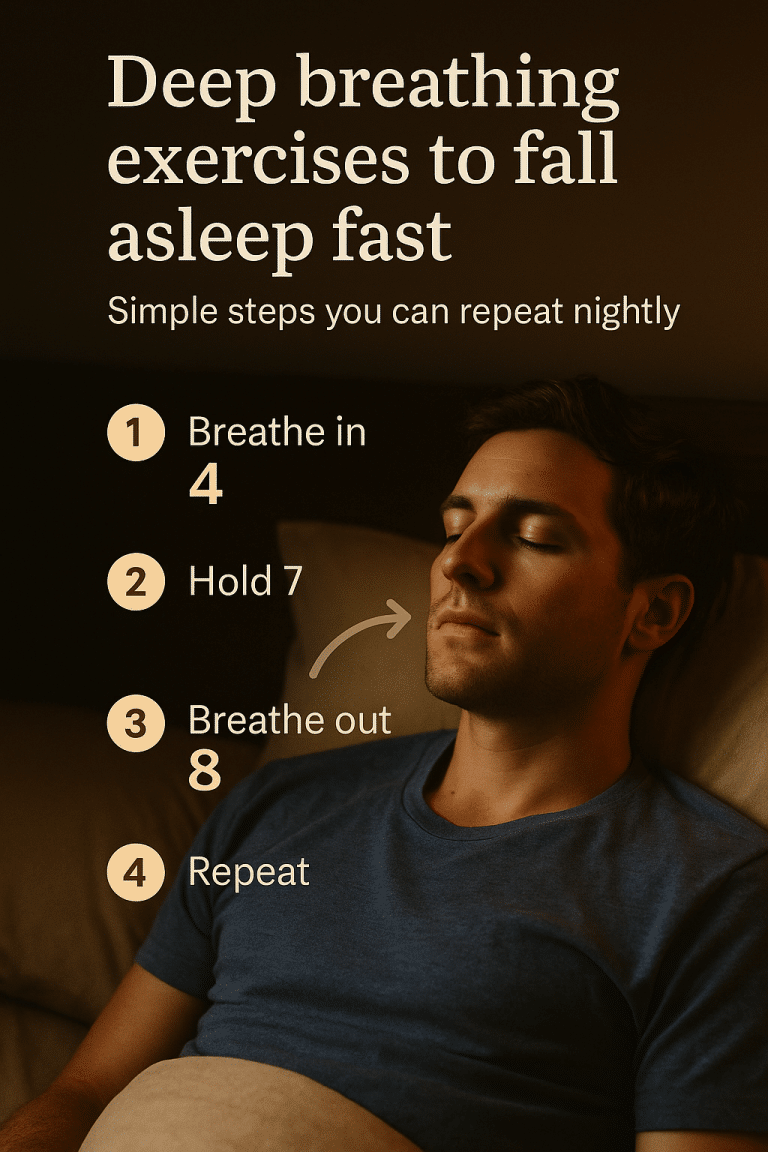
One of the most immediate ways to calm this response is through grounding. For instance, the 5-4-3-2-1 method, detailed by Medical News Today, forces your brain to focus on the present by naming things you can see, feel, hear, smell, and taste. This act diverts attention from panic and re-engages your rational mind. Similarly, deep breathing—inhaling for four counts, holding for four, and exhaling for six—counteracts the shallow breathing of panic. In short, this activates your body’s natural “rest and digest” state, reassuring your brain that the crisis has passed.
From a faith perspective, these physical tools can be powerful acts of trust. The biblical command to “Be still, and know that I am God” (Psalm 46:10) is not just a spiritual platitude but a profound instruction for our entire being. When you practice deep breathing, you physically embody stillness and create space to recognize God’s sovereignty. In fact, research highlighted by PMC (PubMed Central) / NIH confirms a connection between spiritual practices and health outcomes. Consequently, you can view these calming techniques as a practical, physical form of prayer that honors the body God gave you.

Biblical Help for Panic: God’s Promises for the Anxious Heart
When the storm of a panic attack hits, many Christians immediately seek biblical help for panic, looking for a spiritual anchor. It is crucial to understand that experiencing intense anxiety is not a sign of weak faith; in fact, as articulated by resources like Desiring God, even the most devout figures in Scripture wrestled with deep distress. In other words, your struggle does not disqualify you from God’s grace. Instead, it presents an opportunity to lean on His promises more fully, understanding that your mind and body are experiencing a very real physiological event which faith can help navigate, not just eliminate. This perspective allows for a more compassionate approach to Christian panic attack support.
Prayer & Scripture: How to Stop a Panic Attack
Indeed, Scripture is filled with assurances for the anxious heart. For instance, in Philippians 4:6-7, we are encouraged to present our requests to God, and in return, His peace will guard our hearts and minds. Similarly, Isaiah 41:10 reminds us, “So do not fear, for I am with you; do not be dismayed, for I am your God.” Meditating on these truths can be a powerful form of prayer for panic attacks. Research documented by PMC (PubMed Central) / NIH affirms a positive link between spiritual practices and mental wellness, validating prayer as a legitimate component of your healing journey. You can explore these verses and more on platforms like Bible Gateway.
Ultimately, God provides comfort and wisdom through both spiritual and practical means. While prayer and scripture are foundational, He has also gifted humanity with the understanding to develop effective treatments. Seeking professional guidance, such as Cognitive Behavioral Therapy (CBT), is an act of wise stewardship over your mental health. The National Institute of Mental Health (NIMH) identifies CBT as a highly effective, first-line treatment for panic disorder. Therefore, embracing these tools is not a departure from faith but rather an acceptance of the various ways God provides for our well-being in a complex world.
What to Do After a Panic Attack: a Practical Recovery Plan
Understanding what to do after a panic attack is a critical first step toward healing and one of the most vital panic attack tips for first time sufferers. Once the immediate storm has passed, your body and mind need gentle care to recover. The aftermath of a first time anxiety attack can leave you feeling exhausted, shaken, and vulnerable. Consequently, this period is not for intense analysis but for compassionate self-care. The Cleveland Clinic notes that the lingering effects can be unsettling, so it is essential to give yourself grace and time to recuperate. Focus on resting in a quiet space, reassuring yourself that you are safe and that the immediate danger has subsided.
After a First Panic Attack: Rest & Prayer
In the hours and days following, prioritize physical and spiritual rest. For instance, avoid stimulants like caffeine, which the Better Health Channel (VIC Gov) explains can trigger or worsen the fight-or-flight response. Instead, hydrate with water and eat a nourishing meal to stabilize your blood sugar. This is an act of stewarding the temple of the Holy Spirit (1 Corinthians 6:19). Engage in calming activities such as listening to worship music, light walking, or simply sitting in quiet prayer. This intentional stillness allows your nervous system to reset. Remember that recovery is a process; therefore, rushing it can be counterproductive to your long-term well-being.
Finally, creating a long-term plan is a proactive step toward managing anxiety. This should involve both professional guidance and spiritual disciplines. The National Institute of Mental Health (NIMH) identifies Cognitive Behavioral Therapy (CBT) as a highly effective first-line treatment for managing panic. Seeking a qualified Christian counselor who integrates evidence-based practices like CBT can be incredibly beneficial. In addition, research from PMC (PubMed Central) / NIH supports the positive connection between spiritual practices like prayer and health outcomes. Combining professional therapy with consistent prayer creates a powerful, holistic approach to finding lasting peace.

Grounding techniques combine physiological focus with spiritual trust, offering a powerful first response to a panic attack.
When Faith Meets Science: Integrating Professional Support
While prayer is a powerful first line of defense, some of the most effective panic attack tips for first time sufferers involve integrating that faith with professional wisdom. God, in His sovereignty, provides healing through many channels, including skilled counselors and physicians. Therefore, seeking professional support is not a sign of spiritual failure; on the contrary, it is a faithful step towards stewarding the mind and body He has given you. This approach provides holistic first time anxiety attack help by acknowledging that our spiritual and physical health are deeply intertwined.
For instance, one of the most effective treatments is Cognitive Behavioral Therapy (CBT). The National Institute of Mental Health (NIMH) highlights CBT as a first-line treatment because it equips you to identify and challenge the fearful thoughts that trigger panic. Research in journals like BMC Psychiatry confirms its high rate of effectiveness. This process aligns beautifully with the biblical call to “be transformed by the renewing of your mind” (Romans 12:2), using evidence-based tools to achieve that spiritual goal.
Christian Panic Attack Support & Medical Aid
It is crucial to understand that a panic attack is a physiological event, not a reflection of your relationship with God. According to the Cleveland Clinic, experiencing anxiety does not indicate a weakness in faith. Just as we would see a doctor for a physical ailment, we should feel the freedom to consult professionals who understand the nervous system. In other words, embracing medical science is another way of honoring the complexity of God’s creation, providing essential Christian panic attack support.
Ultimately, an approach that weds Christian faith with sound psychological science offers the most robust path toward healing. Combining spiritual practices like prayer with proven therapies creates a comprehensive support system for your entire being—mind, body, and spirit. As research from sources like PMC (PubMed Central) / NIH suggests, spiritual practices have a documented positive impact on health, reinforcing the wisdom of an integrated journey.
Conclusion: Your Next Steps Toward Lasting Peace
Navigating the aftermath of a first time anxiety attack can feel isolating, but your journey toward healing begins now. Remember, this experience is a physiological response, not a reflection of your faith, a fact supported by medical experts at the Cleveland Clinic. Therefore, the most crucial step is to embrace a holistic path forward, one that integrates spiritual truth with practical, evidence-based strategies. You are not alone in this, and lasting peace is absolutely within your grasp through the power of God and the resources He provides.
For many, the most effective strategy involves professional guidance. For instance, Cognitive Behavioral Therapy (CBT) is considered a first-line treatment for panic and anxiety, with a high rate of success in helping individuals reframe their thought patterns, as documented by the National Institute of Mental Health (NIMH). Consequently, we strongly encourage you to connect with a Christian counselor or a therapist who respects your faith. This act of seeking help is an act of wise stewardship over the mind and body God has given you.
Finally, continue to anchor yourself in God’s promises. Make prayer a daily rhythm, not just an emergency measure, because consistent spiritual practice is correlated with better health outcomes, as noted in research available through PMC (PubMed Central) / NIH. Immerse yourself in scripture, allowing verses of peace to renew your mind. In other words, let your faith be the foundation upon which you build these other practical skills. God’s grace is sufficient, and He will walk with you every step of the way, transforming this trial into a testimony of His enduring peace.