Christian View Of The Nervous System: Faith, Science & Care
Estimated reading time: 6 minutes
Introduction: Christian view of the nervous system
As followers of Jesus, we live in bodies God designed with astonishing precision. Therefore, learning how our brain and nerves work can strengthen discipleship, deepen compassion, and restore hope. In this guide, we explore a christian view of the nervous system with practical steps you can apply today. Moreover, we connect biblical wisdom with modern research to show how thoughts, breath, prayer, and wise treatment quiet fear and nurture joy. For instance, Scripture calls us to love God with heart, soul, mind, and strength; biology shows how those dimensions interact. Consequently, caring for sleep, nutrition, exercise, and relationships honors God and supports emotional stability.
However, stress, trauma, or medical conditions can dysregulate our autonomic system and drown out joy. Instead of pitting faith against science, we can receive both as gifts from God. Accordingly, this article draws on Scripture and current research to help you move from chronic fight‑or‑flight toward Christ’s peace. Additionally, we reference rigorous sources such as the American Heart Association’s review on chronic stress and a Harvard‑linked analysis suggesting a causal mental‑health benefit from religious participation on PubMed. As you read, you will find step‑by‑step practices and links to cornerstone guides for deeper help.

Causes that disrupt peace: stress, thoughts, and body signals
Fight‑or‑flight vs. the peace response
When danger appears, the sympathetic branch mobilizes energy. Consequently, heart rate rises, muscles tense, and focus narrows. This rapid response helps you survive real threats; however, it harms health when it never shuts off. Moreover, research summarized by the American Heart Association links long‑term stress chemistry with elevated blood pressure and cardiovascular risk. By contrast, the parasympathetic branch slows the body after stress, supports digestion, and restores balance. Therefore, Christian habits that invite rest—Sabbath, unhurried prayer, and gratitude—help the body return to baseline.
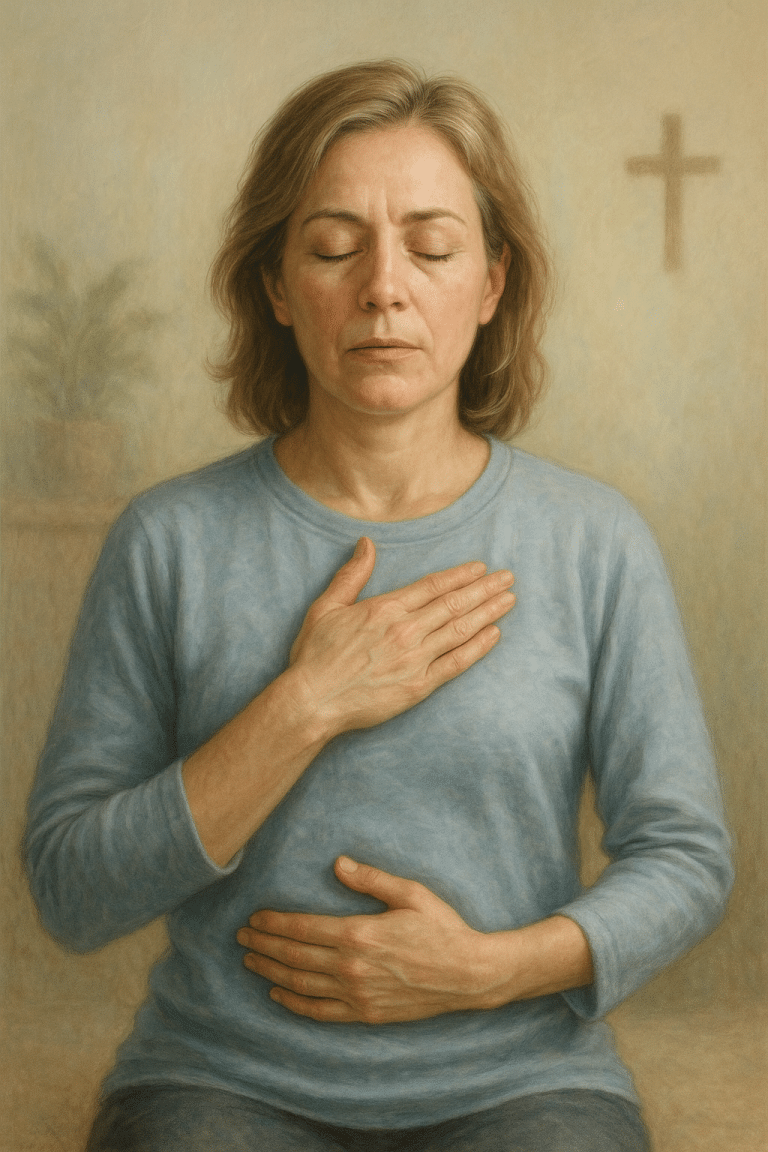
Furthermore, Jesus promised His peace to weary people. Accordingly, practices like slow nasal breathing, scriptural meditation, and unhurried walks signal safety to the nervous system. For example, pair a breath pattern (inhale four, exhale six) with Philippians 4:6–7 to anchor attention. Meanwhile, if panic surges, step outside, scan the horizon, and ground awareness in the present. Additionally, our step‑by‑step panic attack guide explains resets you can use anywhere, while this panic relief guide offers practical follow‑ups.
Thoughts, prayer, and neuroplasticity
Thoughts are not harmless background noise; they shape neural firing and hormones. Therefore, rumination and catastrophic predictions amplify cortisol and adrenaline, while truthful, grateful attention reduces arousal. Moreover, neuroscience suggests that repeated patterns strengthen pathways, which means renewed thinking can re‑wire habits over time. For example, cultivating gratitude increases activity in brain regions for regulation and releases dopamine and serotonin; see the overview from IE University’s Center for Health & Well‑being. Additionally, this aligns with Scripture’s call to “be transformed by the renewing of your mind.”
Likewise, prayer engages networks for attention and emotion while quieting fear circuits. For a readable summary, consider Broadview’s report on prayer and the brain. Consequently, lectio divina, centering prayer, and sung worship become body‑level interventions, not only devotions. Additionally, if you wrestle with anxious spirals, our practical articles on biblical guidance for anxiety and how to stop overthinking break the cycle with faith‑informed steps. Finally, keep Scripture close; use our curated Bible verses for anxiety for daily focus.
Solutions: a Christian perspective on the nervous system in daily life
Biblical practices that calm the body
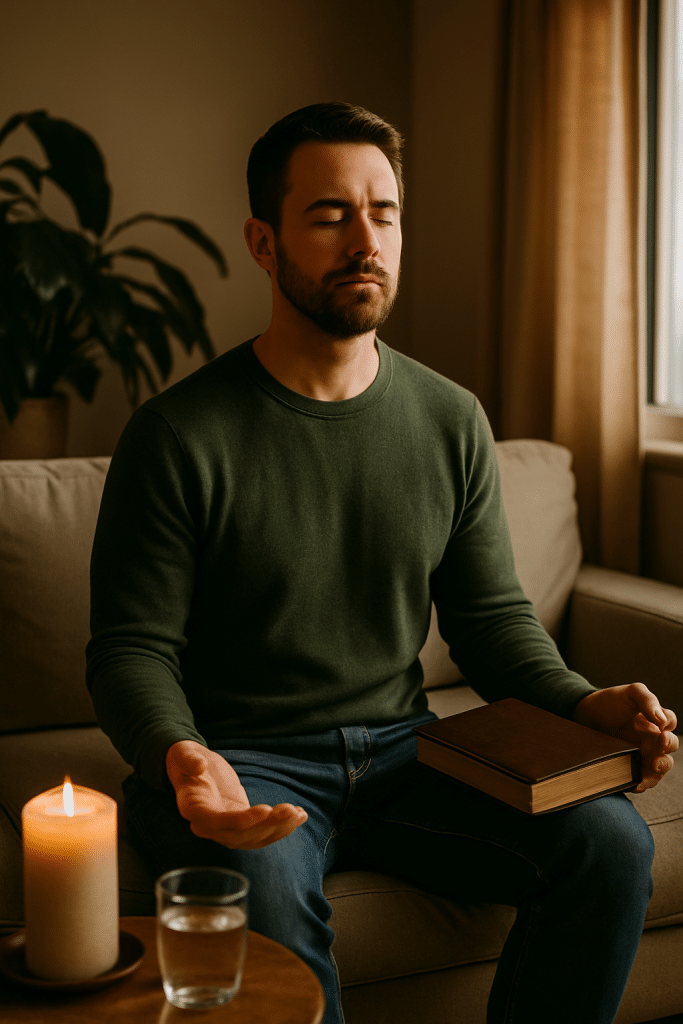
Begin with small, repeatable rhythms. First, start and end the day with two minutes of slow breathing while praying Psalm 23 or the Lord’s Prayer. Second, write three items of gratitude; as noted earlier, gratitude shifts brain chemistry toward calm. Third, prioritize embodied rest through a weekly Sabbath, a short technology fast, and a daily twenty‑minute walk. Additionally, keep helpful verses nearby; our Bible verses for anxiety can stabilize attention when fear spikes. Moreover, enjoy community: shared worship and support reduce loneliness and buffer stress.
Micro‑skills to signal safety
Moreover, practice skills that directly engage the parasympathetic system. Accordingly, try the 5‑4‑3‑2‑1 grounding method, soft‑eyes gazing, or a longer exhale. For step‑by‑step coaching, our deep breathing exercises walk you through several patterns. In addition, when intrusive fear peaks, apply our panic relief guide to interrupt the spiral with movement, breath, and prayer. Consequently, these micro‑practices create many chances each day to return to peace.
When to use counseling and medicine
Sometimes symptoms persist despite healthy habits. In that case, seek evaluation from a licensed counselor and a medical professional. Importantly, Christians have long affirmed medicine as a gift; see this balanced Bible study from Tearfund. Furthermore, psychiatric care can reduce debilitating symptoms so that spiritual practices become accessible again. Additionally, clergy and therapists can collaborate to integrate faith with evidence‑based care.
If you worry that faith and treatment conflict, consider the data. A growing body of research, including a recent analysis indexed on PubMed, associates active religious life with better mental‑health outcomes. Therefore, using therapy, skills training, and—when appropriate—medication aligns with trust in God’s provision. Moreover, wise care restores energy, attention, and relational connection, which strengthens discipleship and daily resilience.
Amazon recommendations to support calm and clarity
Because practical tools reinforce spiritual habits, consider the following resources. Notably, all links are affiliate search pages for convenience and include our tag for support.
- Gratitude journal — build a nightly thanksgiving routine that strengthens hopeful pathways.
- Weighted blanket (12–20 lb) — add gentle pressure that can settle the body before sleep.
- Noise‑cancelling headphones — create a quiet space for prayer walks or Bible listening.
- Heart‑rate variability monitor — learn biofeedback to lengthen the exhale and cue calm.
- Blue‑light blocking glasses — protect evening melatonin for deeper rest.
- Christian meditation and prayer books — guide reflective time with Christ.
Conclusion: walking in peace with a christian view of the nervous system
To summarize, God designed a resilient, adaptable nervous system. However, modern stress often keeps it in high gear. Therefore, Christians thrive when we pair prayer, Scripture, community, and wise care with body‑based skills. Moreover, the christian view of the nervous system shows that spiritual growth and scientific wisdom work hand in hand for everyday joy.
Finally, remember that change is gradual. Accordingly, celebrate small wins, practice daily, and invite help when needed. Additionally, share this guide and return to the linked tools whenever you need a gentle reset.