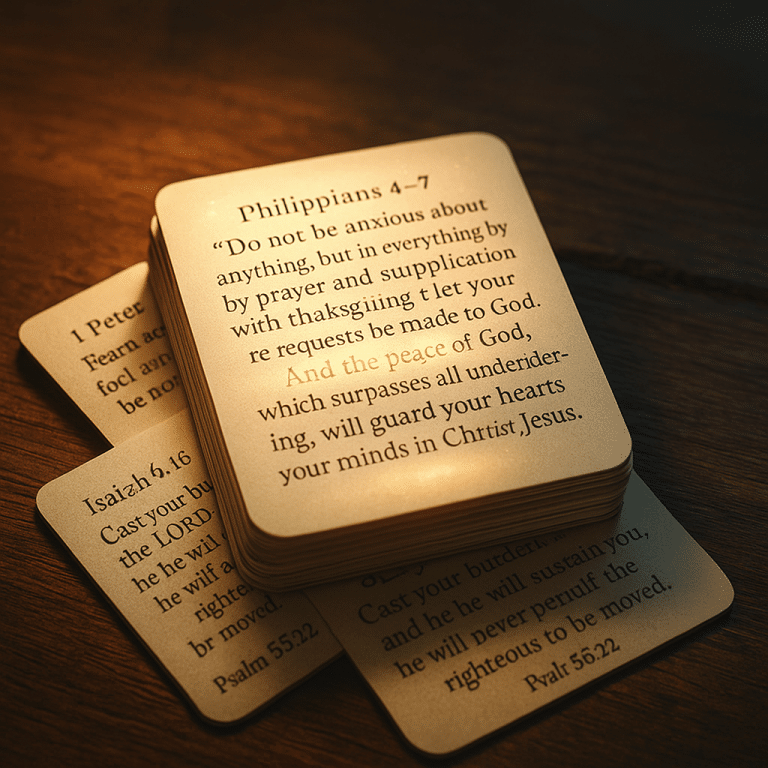
Sensory Overload Recovery Toolkit for HSPs: Find Peace
Estimated reading time: 11 minutes
Finding Sanctuary in a World of Overstimulation
Do you ever feel like the world is simply too much? The constant noise, bright lights, and emotional currents can leave you feeling drained and frayed. If you experience this often, you might be a Highly Sensitive Person (HSP). This guide is designed as your sensory overload recovery toolkit for hsps. This trait involves a more deeply processing nervous system. Crucially, it is not a disorder but a unique facet of how God has intricately designed you. Understanding this is the first step toward transforming your sensitivity from a source of stress into a strength.
In our fast-paced world, maintaining peace can feel impossible, especially for the sensitive soul. The constant influx of information can easily lead to HSP sensory overwhelm, pushing your nervous system into high alert. Consequently, finding sanctuary is not a luxury but a necessity for your well-being. This journey toward tranquility mirrors the invitation from Jesus in Scripture: “Come to me, all you who are weary and burdened, and I will give you rest” (Matthew 11:28). True sanctuary, therefore, is a space of divine peace we can cultivate in our surroundings and within our hearts.
This guide offers a framework for faith-based sensory care. We will explore practical, evidence-based grounding exercises for overwhelm and other calming techniques for HSPs. These methods are rooted in the truth that God cares for our whole being—mind, body, and spirit. He provides wisdom through His word and also through our understanding of nervous system regulation. Therefore, by integrating spiritual practices like prayer with proven psychological tools, you can build resilience. You will learn to navigate the world with greater joy, turning down the chaos to better hear His voice.
The Science and Scripture Behind Hsp Sensory Overwhelm
Understanding HSP sensory overwhelm begins with recognizing that high sensitivity, or Sensory Processing Sensitivity (SPS), is not a disorder but a neutral, innate temperament trait. Research indicates that the brains of Highly Sensitive Persons (HSPs) process stimuli more deeply, leading to a richer inner world but also a quicker path to overstimulation. According to The Highly Sensitive Brain, this is due to specific genes and brain activation patterns that heighten awareness of subtleties in one’s environment. Consequently, developing faith-based sensory care practices is a vital aspect of spiritual and mental well-being for the sensitive believer.
Faith-based Stewardship for Your Sensitive Design
From a theological perspective, we can view this trait through the lens of being “fearfully and wonderfully made” (Psalm 139:14). Your sensitive nervous system is an intentional part of God’s design, created for a purpose that includes deep empathy, creativity, and spiritual awareness. However, this beautiful design requires intentional stewardship. In other words, just as we care for our physical health, we must also tend to our neurological and emotional needs without shame. The National Alliance on Mental Illness highlights the powerful, positive connection between faith and mental health, affirming that seeking support is a sign of strength.
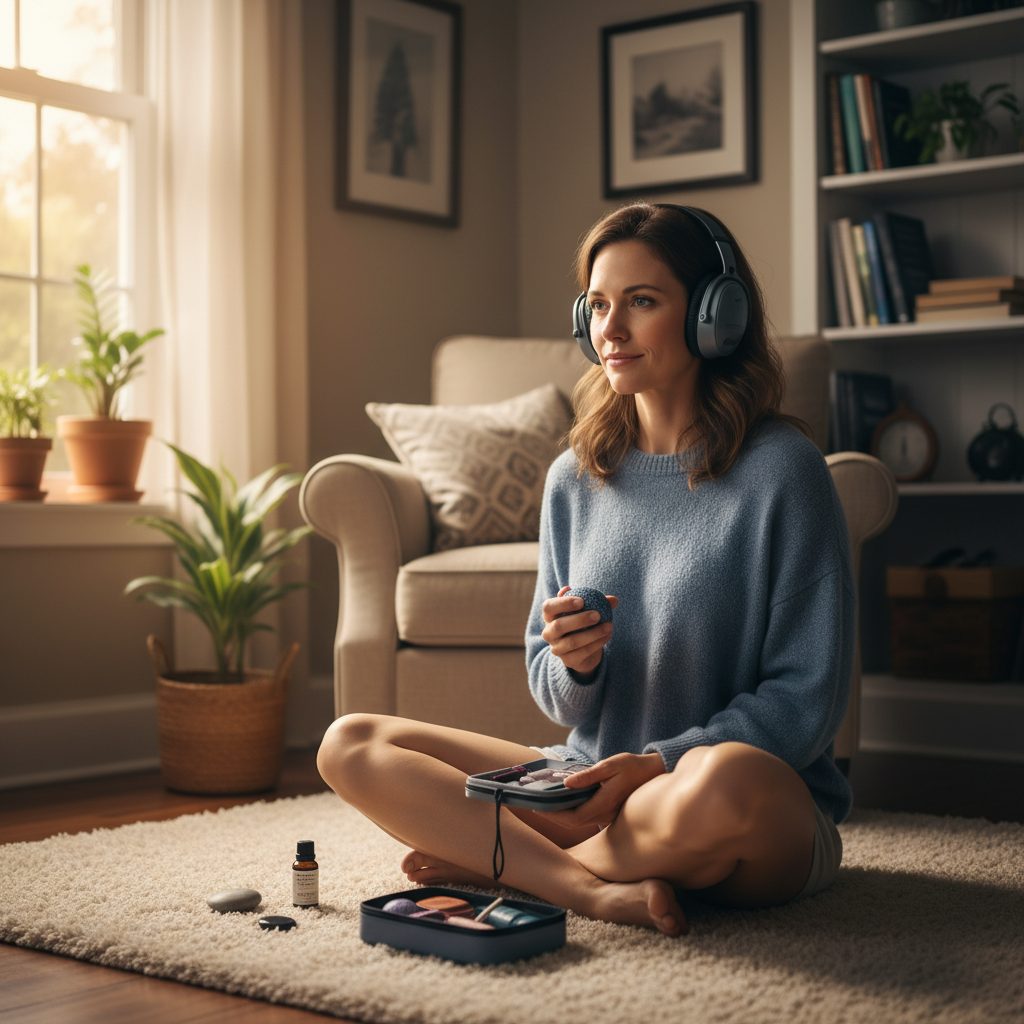
Creating a personal sanctuary is a crucial first step for HSPs to recover from sensory overwhelm and find lasting calm.
Scripture itself provides a model for managing overwhelm through the actions of Jesus, who often withdrew to quiet places to pray and commune with the Father (Luke 5:16). This biblical example of intentional solitude offers a powerful blueprint for nervous system regulation. For instance, creating space away from noise and demands is not an escape but a holy practice of drawing near to God to recharge. Modern psychology affirms this, as the American Psychological Association notes the restorative mental health benefits of silence and solitude. This alignment of science and scripture empowers the Highly Sensitive Person (HSP) to embrace their need for rest as a God-given tool for a flourishing life.
The Foundation: Spiritual Grounding Exercises for Overwhelm
When the world feels too loud and your senses are frayed, the first step in your sensory overload recovery toolkit for HSPs is to anchor yourself in God’s unwavering presence. Spiritual grounding exercises are faith-based sensory care techniques designed to calm a reactive nervous system by intentionally shifting your focus from external chaos to internal peace in Christ. This isn’t about escaping reality; rather, it’s about finding your firm foundation in Him, just as the psalmist declared, “He alone is my rock and my salvation, my fortress; I shall not be greatly shaken” (Psalms 62:2 (NIV)). Consequently, rooting yourself in this truth provides a powerful buffer against the storms of overstimulation, allowing your mind and body to begin the process of HSP burnout recovery.
Faith-based Breath Prayer for Hsp Overwhelm
One of the most immediate calming techniques for HSPs is the practice of breath prayer. This simple act combines deep, diaphragmatic breathing—proven by sources like Healthline Breathing Exercises to help regulate the nervous system—with focused spiritual meditation. For instance, as you inhale slowly, you might silently pray, “Lord Jesus Christ,” and as you exhale, “have mercy on me.” Another variation is inhaling an attribute of God, such as “Prince of Peace,” and exhaling your struggle, “grant me Your peace.” This practice not only slows your heart rate but also redirects your racing thoughts to the character of God, which, according to research from institutions like the Mayo Clinic, can produce a state of deep relaxation.
In addition to breath prayer, meditating on a specific passage of Scripture can serve as a powerful anchor during HSP sensory overwhelm. Instead of trying to read a whole chapter, simply choose one verse that speaks to your situation, such as Jesus’ invitation in Matthew 11:28: “Come to me, all you who are weary and burdened, and I will give you rest.” Repeat the verse slowly, letting its truth permeate your mind and heart. This form of Christian mindfulness, sometimes related to the ancient practice of Lectio Divina, helps interrupt the cycle of overstimulation. Moreover, many mental health professionals, as noted by the National Alliance on Mental Illness (NAMI), advocate for using grounding phrases, and for the believer, Scripture provides the ultimate source of life-giving truth to hold onto.
Building Your Physical Sensory Overload Recovery Toolkit for Hsps
Creating a physical sensory overload recovery toolkit for hsps is a profound act of stewardship for the body God has given you. When sensory overwhelm strikes, having tangible aids can be a lifeline back to tranquility and a crucial step in nervous system regulation. This approach is not about escaping the world, but rather about wisely managing our environment, honoring the truth that our bodies are temples of the Holy Spirit, deserving of gentle care and protection (1 Corinthians 6:19-20). In other words, assembling these physical tools is a practical way to apply faith to the reality of your sensitive nervous system, creating a sanctuary where you can reconnect with God’s peace.
Essential Sensory Overload Tools for Hsps

Understanding the science behind sensory overwhelm and grounding yourself in scripture are foundational steps for calming techniques for HSPs.
Your physical toolkit should be personalized to your unique sensory needs. For instance, for auditory sensitivity, high-fidelity earplugs or noise-canceling headphones can drastically reduce overwhelming sounds, creating immediate calm. To counter feelings of being ungrounded, a weighted blanket can be incredibly effective; research has shown that deep pressure stimulation can calm an overactive nervous system, with one study in the Journal of Clinical Sleep Medicine noting its positive effects on anxiety. Similarly, soft textures, like a favorite fleece blanket or a smooth stone to hold, can provide soothing tactile input during moments of HSP sensory overwhelm. These items help anchor you in the present moment, turning your focus away from the external chaos.
In addition to managing external stimuli, you can incorporate items that provide gentle, calming sensory input. The practice of aromatherapy, for example, uses essential oils like lavender and chamomile to soothe the nervous system. According to Johns Hopkins Medicine, scent inhalation can stimulate parts of the brain that play a role in emotions. A diffuser or a simple rollerball can make this accessible anywhere. Likewise, sipping a warm, caffeine-free herbal tea offers both a comforting warmth and a mindful moment to pause. As the National Center for Biotechnology Information reports, chamomile is widely regarded as a mild tranquilizer and sleep-inducer. Ultimately, each item in your toolkit can become a small, tangible prayer—a physical reminder to lean on God’s strength when you feel weak.
Mental and Emotional Calming Techniques for Hsps
A vital part of your sensory overload recovery toolkit for HSPs involves learning to soothe your mind and emotions when overstimulation strikes. Indeed, the Apostle Paul urges us to be “transformed by the renewing of your mind” (Romans 12:2). This spiritual discipline has a direct psychological counterpart in managing HSP sensory overwhelm. When the external world feels chaotic and demanding, we can intentionally cultivate an internal sanctuary through specific, God-honoring mental practices that calm our nervous system and restore our emotional equilibrium.
One of the most effective calming techniques for HSPs is to gently challenge the catastrophic thoughts that often amplify distress. For instance, when overwhelmed, your mind might spiral into thinking, “I can’t handle this.” We can counter these automatic negative thoughts by focusing on what is true, as instructed in Philippians 4:8. According to the American Psychological Association, identifying and reframing these cognitive distortions is a cornerstone of emotional well-being. By consciously shifting our focus from the overwhelming feelings to the truth of God’s presence and promises, we lessen the emotional impact of the sensory input.
Furthermore, simply naming your emotions without judgment can profoundly diffuse their power. Research highlighted by sources like Greater Good Magazine shows that this practice of “affect labeling” can reduce amygdala activity, the brain’s fear center. This is not about wallowing; rather, it is an honest acknowledgment before God, much like the psalmists who poured out their unfiltered feelings. Instead of fighting the sensation, you can gently say, “Lord, I feel overwhelmed,” which opens the door for His peace. Resources from Christian organizations like the Biblical Counseling Coalition can provide further support in applying gospel truths to these difficult feelings.
Proactive Strategies for Hsp Burnout Recovery and Prevention

Spiritual grounding exercises are a foundational first step in your toolkit, helping to calm an overstimulated nervous system and reconnect with God’s peace amidst the chaos.
To truly flourish as a Highly Sensitive Person, moving beyond reactive coping is essential. A proactive plan for HSP burnout recovery is a critical part of your sensory overload recovery toolkit for HSPs. In other words, we are called to be wise stewards of our God-given bodies and minds by anticipating our needs. Jesus invites us to find rest in Him (Matthew 11:28-29). This divine principle encourages us to build in rest before hitting a breaking point.
One effective strategy is learning to identify and honor your unique sensory limits. For instance, this might involve scheduling quiet time after a stimulating event or communicating boundaries around noise with family. The Harvard Business Review notes a key burnout driver is environmental mismatch, a challenge many HSPs know intimately. Furthermore, a daily “check-in” helps you notice early signs of overstimulation. This allows you to deploy calming techniques for HSPs before your nervous system is dysregulated. The American Psychological Association supports such mindfulness practices for increasing self-awareness.
Ultimately, this proactive approach is an act of faith, trusting God designed you with intention. Caring for your sensitivity honors His creation; your limits are not failures but guideposts for a balanced, Christ-centered life. Seeking support is also a vital proactive step, whether through a church community or a professional counselor. As the National Alliance on Mental Illness (NAMI) notes, mental and physical health are deeply interconnected. Therefore, tending to your nervous system is a form of worship. It nurtures the temple of the Holy Spirit (1 Corinthians 6:19), enabling you to serve with joy and resilience.
When Your Toolkit Isn’t Enough: Seeking Christian Hsp Support
While a personal sensory overload recovery toolkit for hsps is an invaluable resource, there are seasons when HSP sensory overwhelm becomes too much to manage alone. In fact, recognizing the limits of our own strength is a sign of profound wisdom and humility. Reaching out for support is not an admission of failure; rather, it is a courageous step towards deeper healing and wholeness, stewarding the one precious life God has given you. God designed us for community and never intended for us to carry our burdens in isolation.
Thankfully, there are many avenues for Christian HSP support. A licensed Christian counselor or therapist who understands sensory processing sensitivity can provide a unique combination of clinical skill and spiritual insight. According to the American Psychological Association, therapies like Cognitive Behavioral Therapy (CBT) are highly effective for managing anxiety, which often co-occurs with sensory overwhelm. Finding a professional through resources like the American Association of Christian Counselors can ensure your care aligns with both your faith and your specific neurological needs.
Some may worry that seeking therapy indicates a lack of faith, but this couldn’t be further from the truth. Scripture consistently affirms the wisdom of seeking guidance; as it says in Proverbs 15:22, “Plans fail for lack of counsel, but with many advisers they succeed.” Engaging with a mental health professional is simply utilizing the common grace and wisdom God has provided through skilled individuals. As one resource from the Chicago School of Professional Psychology highlights, integrating spirituality into mental health care can lead to more holistic outcomes. Therefore, seeing a therapist can be a powerful act of faith, entrusting your well-being to God and the community He has placed around you.
Your Path to Peace: Embracing Your Sensitivity As a Gift
Your journey toward healing is a testament to your courage, and creating a sensory overload recovery toolkit for HSPs is a profound act of stewardship over the unique way God has made you. Consequently, this path is not about eliminating your sensitivity, but about learning to navigate the world with grace and wisdom. By embracing these calming techniques for HSPs, you transform what once felt like a burden into a beautiful gift, allowing you to experience God’s creation with incredible depth and meaning. This process empowers you to find peace not by changing who you are, but by honoring your God-given temperament.
Remember that God’s strength is often perfected in our perceived weaknesses (2 Corinthians 12:9). Your sensitivity, therefore, is not a flaw but a channel for profound empathy and divine connection. As you build your toolkit, consider exploring further resources for Christian HSP support, such as those offered by the American Association of Christian Counselors. Understanding the psychological underpinnings of this trait, as pioneered by researchers on the HSPerson website, can also be incredibly empowering. Ultimately, this journey is part of your broader mental health, a field where organizations like National Alliance on Mental Illness provide essential community and advocacy. This path is a marathon, not a sprint, sustained by grace and a commitment to honoring the wonderfully sensitive person God created you to be.