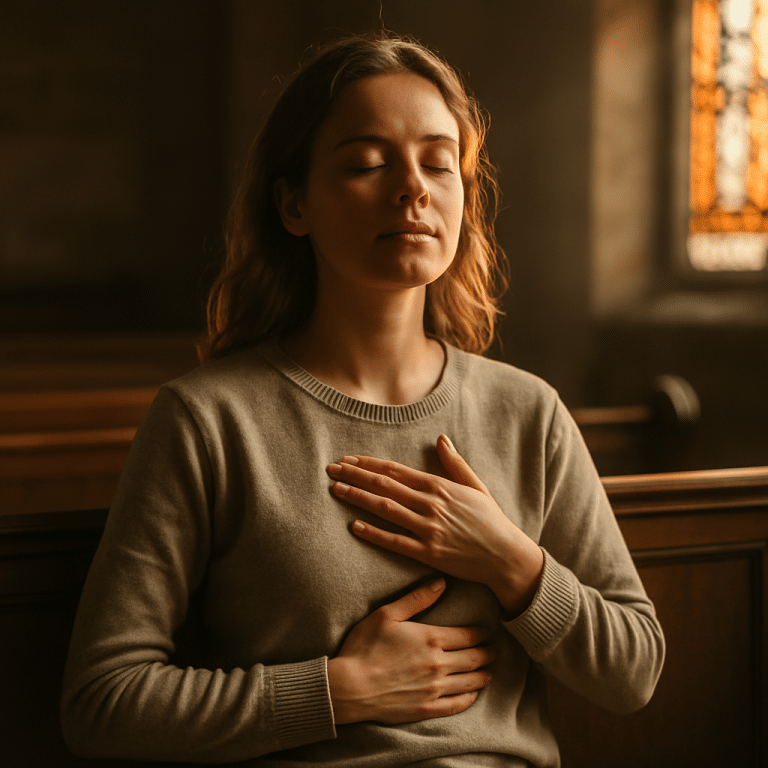
Is The Body Spiritual? A Biblical View of Your Temple
Estimated reading time: 11 minutes
Glorifying God in Your Body
In many modern Christian circles, the body and spirit connection is often unintentionally neglected. We tend to prioritize spiritual disciplines while viewing our physical health as a separate, secondary concern. However, this separation is not a biblical one; in fact, Christian theology has long understood the deep integration of our physical and spiritual selves. According to aihcp.net, there is a profound metaphysical integration between the brain and the soul, where our physical states directly influence our spiritual and moral decisions. Therefore, understanding if the body is spiritual is foundational to a holistic walk with God.
Your Body: A Sacred Temple of the Holy Spirit
The Scriptures consistently present a view of Christian embodiment where the physical is sacred. For instance, the Apostle Paul asks, “Do you not know that your bodies are temples of the Holy Spirit?” (1 Corinthians 6:19). This question reframes our physical bodies not as mere shells, but as holy spaces deserving of honor and care. Consequently, our physical vitality is deeply intertwined with our spiritual practices. As writer C.S. Lewis argued, even the act of prayer is an embodied one, a concept explored by crossway.org. In other words, glorifying God in your body is not just about avoiding sin, but also about actively stewarding the physical vessel He has given you.
Remarkably, modern science is now affirming this ancient biblical wisdom. Research into holistic health reveals the tangible effects of spiritual practices on our physical and mental well-being. For example, studies show that prayer can foster a sense of well-being and reduce stress, as highlighted by the cptsdfoundation.org. Furthermore, other research from ijsra.net has explored the neurobiological link between prayer and the release of mood-regulating neurotransmitters like serotonin. The holistic benefits—physically, psychologically, and relationally—are significant, as explained by resources like therapychanges.com. This article will explore this vital connection, offering a practical, evidence-based guide to integrating your physical health with your spiritual journey for a more vibrant and faithful life.
Is the Body Spiritual? A Direct Biblical Inquiry
The biblical view of the body provides a profound answer to the question, “is the body spiritual?” Far from seeing the physical form as a mere disposable shell for the soul, Christian theology asserts an inseparable body and spirit connection. The Apostle Paul famously asks, “Do you not know that your bodies are temples of the Holy Spirit, who is in you, whom you have received from God? You are not your own” (1 Corinthians 6:19). This perspective fundamentally reframes our physical existence as sacred. In fact, modern Christian counseling explores this metaphysical integration, affirming that our physical brain and spiritual soul are deeply intertwined, as discussed by aihcp.net. Therefore, our bodies are not incidental but are central to our spiritual lives.
Stewarding Your Body for Spiritual Vitality
Consequently, glorifying God in your body involves more than avoiding sin; it includes actively stewarding our physical health. This concept of Christian embodiment means that how we eat, sleep, and move directly impacts our spiritual vitality. For instance, writer C.S. Lewis argued passionately against a purely abstract faith, emphasizing the role of the physical body in the act of prayer, a perspective explored by crossway.org. When we are physically drained or unwell, our capacity for spiritual disciplines like prayer and worship can be significantly diminished. In other words, our physical state creates the very foundation upon which our spiritual experiences are built.

Many often overlook the profound connection between our physical bodies and our spiritual lives, a foundational biblical concept.
Furthermore, this ancient wisdom finds remarkable support in contemporary science. The mental health benefits of spiritual practices like prayer are well-documented, showing how attending to our spiritual side can produce tangible physical and psychological results. Research highlighted by the cptsdfoundation.org illustrates that prayer can foster well-being and reduce stress by grounding us in a sense of divine care. This evidence underscores a holistic truth: God designed us as integrated beings where faith and the physical body are in constant dialogue. To explore these scriptural connections further, you can use resources like bible.com. Ultimately, the body is not just connected to the spiritual; it is spiritual.
Understanding Your Body As the Temple of the Holy Spirit
The Apostle Paul introduces a revolutionary idea in 1 Corinthians 6:19-20: your body is the temple of the Holy Spirit. This biblical view of the body provides a profound body and spirit connection, affirming that our physical selves are not mere containers for our souls but are sacred spaces where God chooses to dwell. In other words, this perspective shifts our understanding of health from simple self-care to an act of worship and stewardship. Honoring the divine presence within us, as a result, becomes a foundational aspect of Christian embodiment.
Therefore, glorifying God in your body involves conscious choices that honor its sacredness. This extends beyond avoiding sin to actively nurturing our physical well-being through nutrition, rest, and movement. As Christian counseling perspectives from aihcp.net affirm, our physical state is deeply integrated with our spiritual decisions. For instance, when we are exhausted or poorly nourished, our capacity for patience and prayer diminishes, directly impacting our spiritual walk. Consequently, stewarding our physical health becomes a vital spiritual discipline.
This integration is beautifully illustrated in the act of prayer. C.S. Lewis, for example, argued against a purely abstract spirituality, emphasizing the importance of our physical vitality in prayer, a concept explored by crossway.org. Furthermore, modern science reveals how spiritual practices create tangible physiological changes. Research shows that prayer can have holistic benefits for mind and body, as noted by therapychanges.com. This evidence powerfully demonstrates that our bodies are not passive observers in our faith but active participants, designed by God to experience and express our spiritual lives fully.
The Body and Spirit Connection in Daily Life
The body and spirit connection is not merely an abstract theological concept; in fact, it is a tangible reality we experience every moment. How we hold our bodies, what we consume, and how we rest directly impacts our spiritual awareness and receptivity. Christian embodiment means recognizing that our physical state is intertwined with our spiritual vitality. For instance, as C.S. Lewis noted, the simple act of kneeling for prayer involves the body in a way that can deepen the experience, making it more than a purely mental exercise. As discussed by crossway.org, this integration is fundamental to a holistic faith and the biblical call for glorifying God in your body.
Is the Body Spiritual? Faith’s Impact on Brain Chemistry

The biblical view of the body reveals that our physical forms are not separate from our spiritual nature, but are intricately designed as the temple of the Holy Spirit.
Modern science increasingly affirms this ancient spiritual wisdom, revealing the profound ways our faith and the physical body interact. Neurobiological studies, for example, demonstrate that spiritual practices like prayer and intentional breathwork can have measurable effects on brain chemistry. According to research highlighted by ijsra.net, these activities can influence serotonin levels, a key neurotransmitter for regulating mood. In other words, when we engage in focused prayer, we are also participating in a neuro-active process that can foster feelings of peace and well-being, as also supported by insights from neuwritewest.org.
Therefore, we can actively nurture our spiritual lives by tending to our physical selves. This moves beyond simply avoiding sin and extends to proactively caring for our bodies as an act of worship. Simple practices such as taking a prayer walk, engaging in mindful stretching while meditating on Scripture, or practicing gratitude to calm the nervous system are all ways to integrate body and spirit. As explained by therapychanges.com, these holistic actions create a physical and mental state more open to God’s healing and presence in our daily lives. Ultimately, this holistic view allows us to honor the full humanity God gifted us.
How Mental health Reveals Our Christian Embodiment
Struggles like anxiety and depression are often felt emotionally and spiritually, but they are also profoundly physical. Our mental health offers a powerful window into our Christian embodiment, revealing the deep body and spirit connection between our thoughts and our nervous system. In fact, Christian counseling perspectives affirm this integration, viewing the brain as the physical structure through which the soul interacts with the world, as detailed by aihcp.net. Therefore, when we experience psychological distress, our bodies are sending crucial signals about our overall well-being, highlighting that our physical and spiritual lives are not separate but one integrated reality designed by God.
For instance, the experience of prayer is not merely a cognitive exercise; it produces tangible neurological changes that affirm the link between faith and the physical body. Research explored by neuwritewest.org suggests that prayer can be highly motivating due to its potential to influence neurotransmitters like dopamine. This scientific insight doesn’t reduce faith to biology; rather, it magnifies the genius of God’s design, showing how He created our bodies to respond to Him. Understanding this connection allows us to see how spiritual disciplines can powerfully contribute to our mental and emotional healing.
Because our mental and physical selves are so interconnected, a holistic approach to healing is essential for glorifying God in your body. This includes embracing spiritual disciplines alongside evidence-based physiological and psychological care. For example, practices like scriptural meditation can be powerfully combined with techniques like breathwork to calm the nervous system, an approach advocated by practices like louisvillegracepsychological.com. Seeking professional therapy or medical support is not a sign of weak faith; instead, it is an act of wise stewardship over the complex temple God has given us, honoring the intricate link between body, soul, and spirit.
Glorifying God in Your Body Through Physical Health

Paul’s teaching in 1 Corinthians reminds us that our bodies are sacred spaces. This illustrates the profound body and spirit connection, viewing the body as a temple for the Holy Spirit.
Understanding the deep connection between our physical and spiritual lives is fundamental to glorifying God in your body. The Bible instructs us to honor God with our bodies, recognizing them as the temple of the Holy Spirit (1 Corinthians 6:19-20). This is not a suggestion but a core aspect of worship, where stewarding our physical health becomes a spiritual discipline. Consequently, our daily choices regarding nutrition, exercise, and rest are imbued with spiritual significance. As explained by aihcp.net, there is a profound metaphysical integration between our physical brain and our soul, meaning our physical state directly impacts our spiritual and moral clarity. Therefore, caring for the body is an essential part of nurturing the soul.
Practical Steps for Body and Spirit Connection
Embracing Christian embodiment involves practical, intentional actions that support our physical well-being. For instance, consistent physical activity is a powerful tool for both physical and mental health. Research from health.harvard.edu highlights that exercise is an effective, all-natural treatment for depression, working to release endorphins and improve mood. From a faith perspective, this is not just about feeling better; it is about stewarding the intricate systems God designed. When we engage in physical activity, we are actively participating in the health of our minds and bodies, which in turn enhances our capacity for worship, service, and fellowship. In other words, a healthy body can support a more vibrant and resilient spiritual life.
Similarly, nutrition plays a critical role in this holistic approach to faith and the physical body. What we eat directly affects our brain chemistry, energy levels, and emotional regulation. A study featured in bmcmedicine.biomedcentral.com found that a healthy diet can significantly impact major depression. By choosing nourishing foods, we honor the gift of our bodies and equip ourselves to better fulfill God’s calling. Ultimately, managing our physical health through deliberate choices about diet, exercise, and rest is a profound act of worship, reflecting our gratitude for the physical form God has given us and enabling us to serve Him more effectively.
When Faith and Modern Medicine Meet: a Harmonious View
Embracing the deep body and spirit connection often leads to a crucial question: where does modern medicine fit into a life of faith? For some, seeking medical or psychological help can feel like a failure of faith, but this presents a false and unhelpful choice. In reality, Christian faith and evidence-based medicine can work in beautiful harmony. A Christian psychological practice, for instance, might advocate for an integrated approach that combines spiritual disciplines with physiological techniques, as detailed by louisvillegracepsychological.com. Consequently, viewing doctors and therapists as instruments of God’s common grace allows us to steward our physical and mental health without compromising our spiritual convictions. We must remember that Luke, an author of the Gospel, was himself a physician (Colossians 4:14).
This harmonious view is strongly supported by extensive research. For example, studies confirm that combining medication with psychological therapy is often the most effective path for treating depression, a finding supported by the UK’s National Institute for Health and Care Research (evidence.nihr.ac.uk). Furthermore, professional psychiatric resources affirm that physical interventions are powerful tools for mental wellness; for example, the American Journal of Psychiatry highlights how exercise can help prevent depression. Therefore, engaging with these proven tools is not a departure from faith; rather, it is a wise and biblically-sound way to care for the temple God has given us.
Conclusion: Embracing Your Integrated Self in Christ
Throughout this journey, we have explored the profound body and spirit connection, dismantling the false divide between our physical and spiritual selves. The biblical view of the body is clear: we are integrated beings created to glorify God with our whole person. Indeed, as Christian counseling resources like aihcp.net affirm, our physical states are deeply tied to our spiritual and moral lives. Therefore, the answer to the question “is the body spiritual?” is a resounding yes. Our embodiment is essential to our faith, a point C.S. Lewis powerfully argued regarding the physicality of prayer, as noted by crossway.org.
Ultimately, embracing this truth transforms how we live each day in Christ. Recognizing your body as the temple of the Holy Spirit (1 Corinthians 6:19-20) elevates the stewardship of your health into an act of worship. For instance, spiritual disciplines like prayer offer holistic benefits that create a state conducive to healing, a concept explored at therapychanges.com. This integrated perspective allows faith to inform our use of medicine and therapy, seeing every tool as a means to honor God. As you continue on your path, use resources like bible.com to deepen your understanding of a life where your body and spirit unite in glorifying Him.