How to Stop Overthinking Every Text Message: Find Peace
Estimated reading time: 11 minutes
The Digital Vexation: Why We Can’t Stop Reading Into Texts
The three dots appear, then vanish. Minutes stretch into an hour, and your mind begins to race, filling the silence with a thousand worst-case scenarios. If you experience this kind of text message anxiety, you are certainly not alone; in fact, research shows that digital messaging is a significant source of stress for many people, as noted by weforum.org. Learning how to stop overthinking every text message is no longer a trivial matter but an essential skill for maintaining peace in an increasingly digital world. This struggle is rooted deep in our psychology, where the absence of tone and body language creates a void our minds desperately try to fill.
Why Digital Communication Causes Text Message Anxiety
Digital communication inherently lacks the non-verbal cues—like facial expressions, tone of voice, and body language—that we rely on for interpreting meaning. Consequently, this creates an interpretive vacuum. Our brains, which are wired to find patterns and resolve ambiguity, often rush to fill this void with assumptions. Unfortunately, for those prone to anxiety, these assumptions frequently skew negative. Academic research highlighted by link.springer.com confirms that individuals with social anxiety are more likely to assign negative interpretations to ambiguous online situations. Therefore, a simple “ok” is not just a confirmation but a sign of anger, disappointment, or disinterest.
This tendency to overanalyze is more than just a quirk of modern life; it taps into a primal human need for social connection and safety. According to therapycincinnati.com, the act of ruminating or replaying social interactions is linked to our brain’s ancient mechanism for ensuring we remain in good standing within our social group. When we obsess over a text, we are subconsciously scanning for threats to our relationships. As explained by choosingtherapy.com, this fear can stem from past rejection or social anxiety, turning our phone into a constant source of potential social threats. Ultimately, this cycle of worry reveals a deep-seated longing for security that digital communication can often disrupt.
Understanding the Spiritual Roots of Text Message Anxiety
For many Christians, finding a biblical view on worry is key to learning how to not overanalyze texts. This digital anxiety taps into a much deeper, timeless human struggle. The fear of being misunderstood or rejected can become all-consuming, a modern manifestation of an ancient ache for security. This isn’t just about etiquette; it’s about where we place our ultimate worth. In fact, common irrational thoughts about unanswered texts, as noted by lisa-marie-15.medium.com, often center on these exact fears. Ultimately, our anxiety reveals the idols of approval and control we must bring to the cross.
From a Christian perspective, overanalyzing texts is a form of rumination. While psychology explains this as a primal need for social safety, as described by therapycincinnati.com, it also reveals a heart seeking security from people instead of God. When a delayed reply triggers a fear that “they don’t care about you,” as lisa-marie-15.medium.com points out, it exposes this misplaced hope. We inadvertently make an idol of another’s immediate validation, forgetting that our true value is immutably fixed in Christ (Galatians 1:10).
Consequently, letting go of text anxiety involves dethroning these idols and re-centering our identity in God’s love. This struggle doesn’t indicate a failure of faith. In fact, many feel guilty over their anxiety, but as Archbishop Fulton J. Sheen noted, it can be a profound spiritual experience, according to goodreads.com. This perspective allows us to approach our worries not with shame, but with a grace-filled desire to anchor our peace in the eternal—not in the ephemeral notifications on our screen.

The cycle of rereading and overanalyzing texts can be exhausting. Understanding the root of this digital anxiety is the first step toward finding peace in your communication.
The Brain on “read”: How Texting Hijacks Our God-given Peace
Text message anxiety often stems from a biological process designed for our protection. When digital communication strips away tone of voice and body language, our brains can perceive ambiguity as a potential threat. Consequently, our nervous system activates a primal need to maintain social safety, as explained by therapycincinnati.com. This ancient, God-given survival instinct, when applied to a delayed reply or a brief message, can hijack our peace and send us into a spiral of rumination, replaying the digital interaction over and over again.
Without the context of a face-to-face conversation, we are prone to filling in the gaps with negative assumptions. In fact, academic research confirms that people with social anxiety have a greater tendency toward negative interpretations of ambiguous online situations, according to link.springer.com. This is not a personal failing; rather, it’s the brain trying to shield you from potential rejection. The sheer volume of modern messaging, as noted by weforum.org, constantly exposes this vulnerability, creating a cycle of stress where God intended connection.
From a Christian theological perspective, this neurological process becomes a spiritual battlefield. The enemy can exploit this natural tendency, turning a simple miscommunication into a crisis of worth. When we feel rejected because of a slow reply, we are engaging in “Emotional Reasoning”—the irrational belief that our feelings must be true, a concept explored by lisa-marie-15.medium.com. Therefore, learning how to stop overthinking every text message is not just a mental health strategy; it is a spiritual discipline of taking “every thought captive to obey Christ” (2 Corinthians 10:5) and grounding our peace in Him, not in the timing of a notification.
A Biblical View on Worry in Digital Communication
When seeking Christian advice for overthinking, it is crucial to ground our modern anxieties in timeless scriptural truth. The core of text message anxiety often stems from a cognitive distortion known as “Emotional Reasoning,” the mistaken belief that our feelings are facts, as explained by lisa-marie-15.medium.com. Consequently, when we feel anxious about a delayed reply, we interpret it as a fact of rejection. However, Christian theology calls us to anchor our identity not in fluctuating emotions but in the unchanging truth of God’s love. The Bible reminds us to “take captive every thought to make it obedient to Christ” (2 Corinthians 10:5), which involves actively questioning the validity of our anxious feelings about a text message.
Stop Text Message Anxiety: Biblical Advice
Scripture repeatedly commands us not to worry, not as a simplistic dismissal of our struggles, but as an invitation to a deeper trust. Jesus asks, “Can any one of you by worrying add a single hour to your life?” (Matthew 6:27), highlighting the futility of anxiety. Instead of being a sign of weak faith, some theologians suggest this struggle can be a profound spiritual experience. For instance, Fulton J. Sheen reframed this by stating that anxiety can be a way of sharing “in the Passion of Christ,” according to goodreads.com. This perspective shifts the focus from guilt to grace, allowing us to see our worry as an opportunity to lean more heavily on God’s strength rather than our own understanding.
A practical application of biblical wisdom involves renewing our minds (Romans 12:2) by challenging negative assumptions. When a text is ambiguous, our anxious minds tend towards the worst possible interpretation, a pattern confirmed by research from link.springer.com. In contrast, we are called to a spirit of charity, believing the best of others (1 Corinthians 13:7). One effective technique, recommended by choosingtherapy.com, is to consciously list several alternative, non-negative interpretations for a message. In doing so, we are not just managing anxiety; we are actively practicing a Christ-like love that is not easily angered and keeps no record of wrongs, even in our digital interactions.

Addressing the spiritual roots of text message anxiety often begins with prayer. Shifting your focus from digital worry to divine peace is a key step in learning how to not overanalyze texts.
How to Not Overanalyze Texts: a Christian Framework
To learn how to not overanalyze texts, we must begin with our thoughts. A Christian framework for this struggle centers on the biblical mandate to renew our minds (Romans 12:2). In other words, this is an active process of challenging the irrational thoughts that fuel text message anxiety. These cognitive distortions, such as assuming a delayed reply means you are hated, are powerful but ultimately deceptive, as noted by lisa-marie-15.medium.com. Consequently, we can practice taking every thought captive to make it obedient to Christ (2 Corinthians 10:5), refusing to let fear dictate our peace.
A core challenge in this process is distinguishing feelings from truth. A common cognitive error is “Emotional Reasoning,” the belief that because you feel something, it must be true, a concept explained by lisa-marie-15.medium.com. For instance, you might feel anxious and therefore conclude the other person is angry. However, our feelings are fickle guides, especially when research from link.springer.com confirms ambiguous texts are often interpreted negatively. The Christian’s stability comes not from deciphering digital tones but from grounding our identity in the unchanging truth of God’s love.
So, what is a practical step in providing Christian advice overthinking? Instead of defaulting to a negative conclusion, we can practice biblical charity. A helpful exercise suggested by choosingtherapy.com is to list several alternative, neutral interpretations for a message. For example, perhaps the person is driving, in a meeting, or simply busy. This discipline aligns with the call to believe the best of others (1 Corinthians 13), shifting our minds from suspicion to grace. By choosing a generous interpretation, we steward our peace and reflect God’s character, a perspective supported by faith-based resources like focusonthefamily.com.
Practical Steps for Letting Go of Text Anxiety
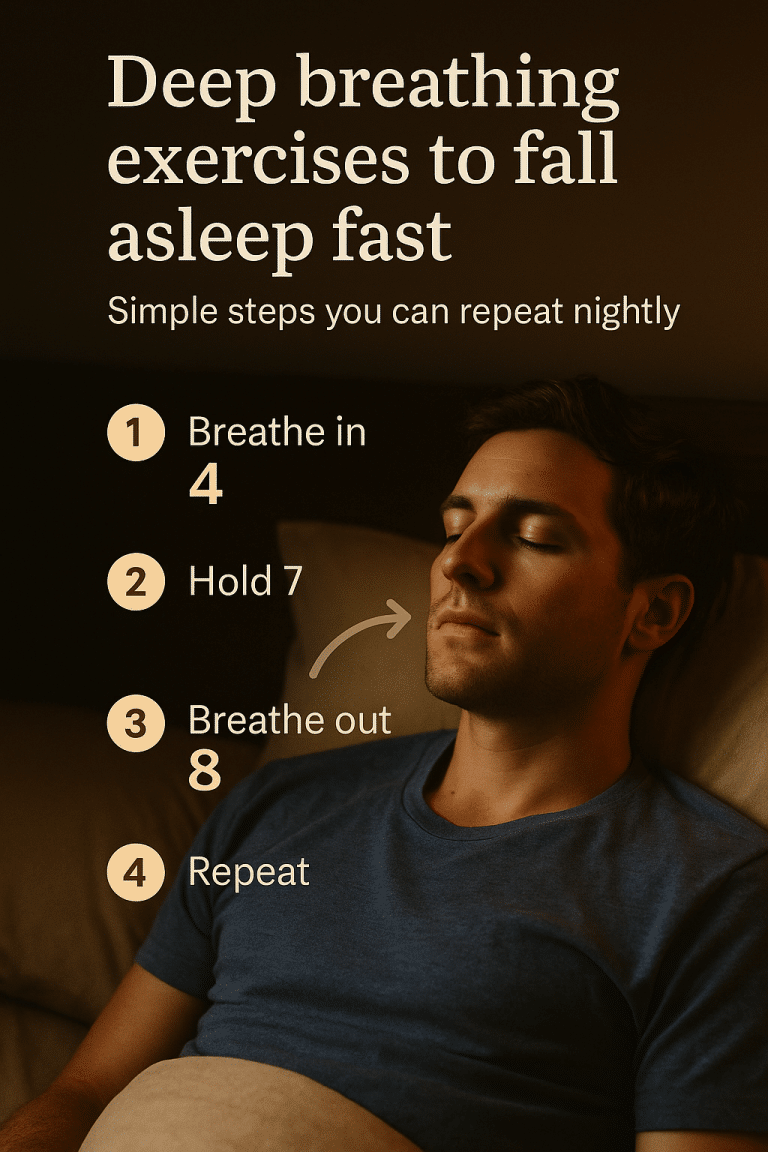
Understanding how to stop overthinking every text message involves both spiritual discipline and practical action. A crucial first step in letting go of text anxiety is to calm your body’s physical response to stress. When you feel your heart rate rise after sending or receiving a message, your nervous system is reacting. Consequently, engaging in a simple grounding technique can be incredibly effective. For instance, practicing slow, deep breathing helps regulate the nervous system and brings a sense of immediate calm, a technique supported by resources like choosingtherapy.com. By stewarding our physical bodies, we create the necessary space to engage our minds and spirits more clearly.
Take Every Thought Captive: Stop Text Anxiety
Once your body is calm, you can begin to tackle the irrational thoughts that fuel the anxiety. Scripture calls us to “take every thought captive” (2 Corinthians 10:5), which requires actively challenging the narratives we create. A common cognitive distortion is “emotional reasoning,” the belief that your anxious feelings must be true, as explained by lisa-marie-15.medium.com. Instead of accepting the first negative interpretation that comes to mind, practice the discipline of listing other possibilities. As suggested by choosingtherapy.com, consider that the person could be busy, driving, or simply away from their phone. This exercise helps break the habit of jumping to negative conclusions and aligns our thinking with biblical charity.
Finally, it is wise to establish healthy boundaries with technology itself to reduce texting anxiety. The sheer volume of digital messages can be a significant source of stress, as noted by research from weforum.org. In addition to managing volume, you can make small technical adjustments to protect your peace. Consider turning off features like read receipts, which often create unnecessary pressure and provide fuel for overthinking. Viewing these adjustments not as avoidance but as wise stewardship of your attention allows you to engage with digital communication more intentionally and peacefully.

Text message anxiety often stems from our brain’s response to uncertainty. Stepping back from the screen is a key step to reclaiming your God-given peace.
When to Seek Professional Help for Overthinking
While spiritual disciplines and practical steps are powerful, sometimes the struggle with text message anxiety becomes too overwhelming to manage alone. If overthinking texts consistently disrupts your daily life, relationships, or peace, it may be time to seek professional guidance. This is not a sign of spiritual failure; rather, it is an act of wisdom, acknowledging that God provides skilled counselors and doctors as a means of His healing grace. For instance, when anxiety leads to avoiding communication altogether, as noted by weforum.org, it signals that external support could be beneficial.
A therapist, particularly one skilled in Cognitive Behavioral Therapy (CBT), can provide a structured path for healing. In fact, resources from choosingtherapy.com outline specific strategies to dismantle the patterns of rumination and fear associated with digital communication. This therapeutic process beautifully complements the biblical call to “be transformed by the renewing of your mind” (Romans 12:2). Consequently, therapy offers evidence-based tools to help you take distorted thoughts captive and align them with the truth, creating lasting change in how your nervous system responds to triggers.
In some cases, medication may also be a helpful tool. A resource from desiringgod.org offers a thoughtful biblical perspective, suggesting that medicine can be a gift that helps restore the brain’s physical function, thereby creating stability to engage more fully with spiritual practices. An integrated approach that combines therapy, spiritual support, and, when necessary, medication is often most effective, a viewpoint supported by Christian counseling organizations like focusonthefamily.com. Ultimately, seeking professional help is a courageous step toward stewarding your whole being—mind, body, and spirit.
Conclusion: Finding Lasting Peace Beyond the Three Dots
The journey toward letting go of text anxiety is not merely about managing behavior; it is a profound spiritual discipline of entrusting our relationships and our sense of self-worth to God. Throughout this article, we have explored how to stop overthinking every text message by understanding its neurological, psychological, and spiritual roots. The constant pressure of digital communication, as noted by weforum.org, can indeed become a significant source of stress. Ultimately, the solution lies not in achieving perfect texting etiquette but in grounding our identity so firmly in Christ’s love that the silence between messages no longer feels like a verdict on our value.
In short, we must combine faith with practical action. This means embracing cognitive tools, like those discussed by resources such as choosingtherapy.com, and challenging the irrational thoughts that fuel our fears. It involves renewing our minds (Romans 12:2) by replacing anxious assumptions with the truth of Scripture and, when necessary, seeking support from wise counsel or a professional therapist. As organizations like focusonthefamily.com affirm, integrating faith with sound psychological practice is a valid path to healing. This process is not about perfectionism, but about grace, recognizing that God’s peace is the ultimate goal.
Therefore, let go of the burden of interpretation and the weight of worry. Instead of seeking peace in a quick reply, seek the peace that surpasses all understanding (Philippians 4:7). This lasting peace is found not in a notification but in the unwavering presence of a God who loves you far beyond the confines of a screen. It is in Him that we find the freedom to communicate with love, wisdom, and a quiet heart, trusting that His grace is sufficient for every conversation and every moment of silence in between.