
Theology of Embodiment: Holistic Christian Guide to Anxiety
Estimated reading time: 7 minutes
Anxiety affects millions of believers, yet many Christians still assume that worry is only a lack of faith. Scripture paints a richer picture. From Elijah’s exhaustion to Jesus’ sweating blood in Gethsemane, the Bible acknowledges the body even while speaking to the soul. This article explores the theology of embodiment — the conviction that God cares about both our physical frame and our spiritual formation — and shows how it brings fresh hope to anxious hearts. When we embrace this truth we can approach anxiety holistically, combining prayer, medicine, and wise daily habits without shame. The goal is not merely symptom relief, but a deeper, joyful walk with Christ.
Consider King David’s admission, “When anxiety was great within me, your consolation brought me joy” (Ps 94:19). That verse describes a psychosomatic event: muscular tension paired with spiritual comfort. Likewise, modern scans reveal that reciting Scripture lights up the brain’s medial pre‑frontal cortex — the region linked with hope and self‑regulation. In other words, the ancients practised what neuroscientists now affirm.
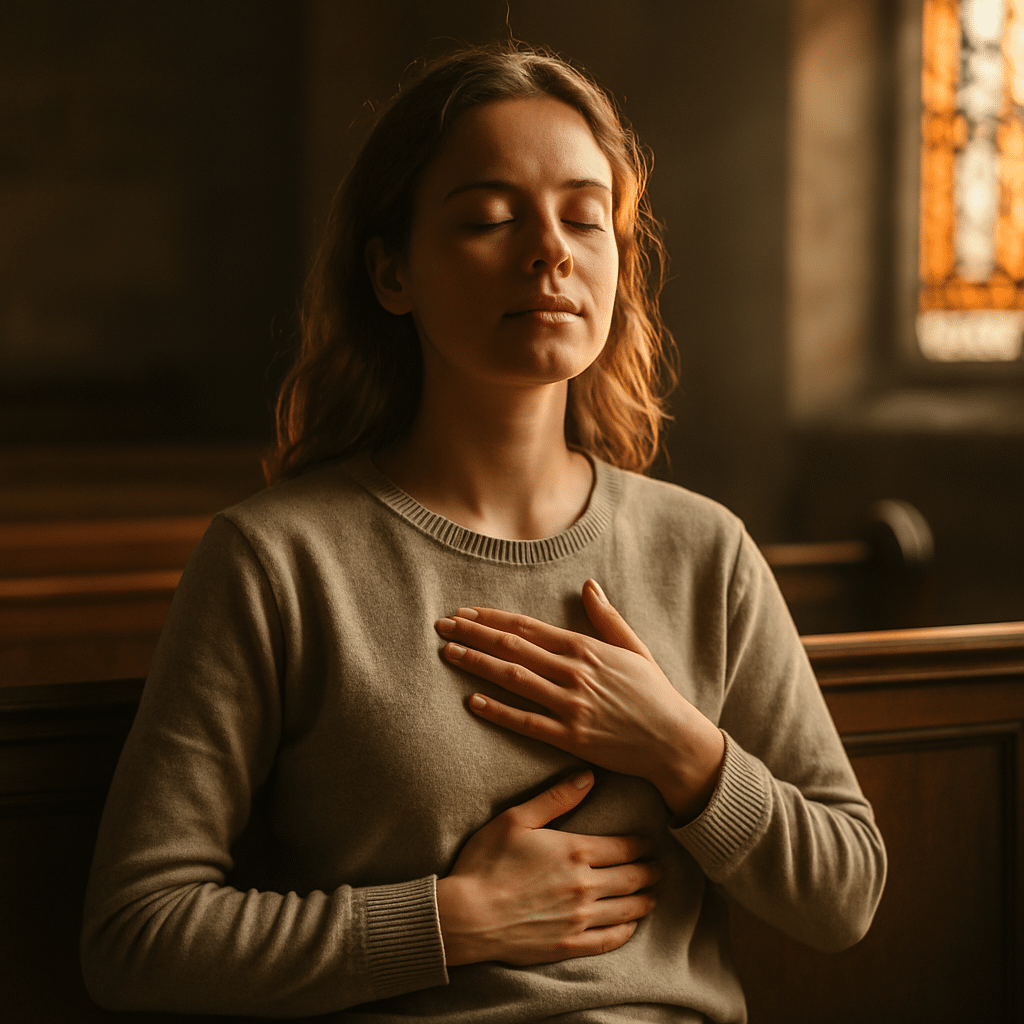
Understanding Anxiety Through the Theology of Embodiment
Clinicians describe anxiety as a whole‑body stress reaction in which the nervous system floods the bloodstream with cortisol and adrenaline even when no real danger exists. The apostle Paul felt that sort of pressure when he was “utterly burdened beyond strength” (2 Cor 1:8). Because we are embodied souls, fear is experienced in racing hearts, sweaty palms, and looping thoughts. Recognising this link protects us from two extremes: treating worry as merely spiritual or viewing it as merely chemical. The theology of embodiment reminds us that the Creator designed the brain’s alarm system and also commands us to “cast all your anxiety on him” (1 Pet 5:7).
Industry‑standard care now follows the bio‑psycho‑social model, echoing what embodied theology has proclaimed for centuries. Body, mind, and community interact. Therefore, sound theology, accurate science, and compassionate relationships together form the strongest antidote to chronic fear. Such balance refutes the notion that medication is unspiritual or that prayer is naïve. Instead, every tool that aligns with God’s truth becomes an extension of His grace.
Put differently, anxiety is a discipleship issue precisely because it is a neuro‑chemical issue. When the body feels safe, the soul finds it easier to rejoice. This observation should not shame us; it should motivate us to steward the brain God designed.
Why Do We Feel This Way? Multifaceted Causes of Anxiety
Modern research highlights at least three overlapping roots. First, genetic and biological factors can predispose a person to an over‑active amygdala. Second, psychological patterns — childhood trauma, perfectionism, catastrophic thinking — feed the cycle. Third, spiritual distortions such as believing God is distant amplify fear. Because the embodiment theology view treats people as integrated beings, we address all three causes simultaneously. For example, a believer may take a selective serotonin re‑uptake inhibitor (SSRI) as a temporary aid, practise cognitive restructuring with a therapist, and meditate on Psalm 46 to anchor the heart. None of these solutions compete; together they honour our incarnate design.
Real‑world case study: A college student suffered nightly panic attacks that left her trembling. Baseline assessment showed she scored 22 on the GAD‑7 scale. After twelve weeks of combined interventions — journaling prayers, 30‑minute walks, and low‑dose medication — her score dropped to 8, indicating mild anxiety. Integrating Scripture with evidence‑based care produced measurable fruit.
Theology of Embodiment Solutions: Practices That Calm Body and Soul
Prayerful Breathing and Meditation
Slow diaphragmatic breathing activates the parasympathetic nervous system, lowering heart rate within sixty seconds. When paired with a breath prayer — inhale “Lord Jesus,” exhale “grant me peace” — this exercise marries physiology with devotion. Studies from the National Institute of Mental Health confirm that paced breathing reduces panic severity, while Philippians 4:6‑7 promises God’s peace will guard our hearts and minds.
Movement and Stewardship of the Body
Exercise is often as effective as medication for mild anxiety. A brisk thirty‑minute walk releases endorphins, but it also provides a mobile prayer closet. Followers of Christ who practice the theology of embodiment see the gym as an altar where bodies created in God’s image are strengthened for service. Deep breathing exercises explain the mechanics, and research in Frontiers in Psychiatry shows aerobic activity can decrease cortisol by up to 20 percent.
Medicine, Therapy, and Wise Counsel
Selective medications, when supervised by a physician, normalise neurotransmitter levels so that therapeutic skills can take root. Cognitive Behavioural Therapy (CBT) aligns with Romans 12:2 by renewing thought patterns. See the panic‑attack relief guide for an in‑depth walk‑through. A landmark randomised prayer study revealed significant reductions in anxiety after intercessory prayer, reinforcing that spiritual disciplines remain clinically relevant.
Community and Vulnerable Connection
Oxytocin released through safe touch and supportive conversation counters the stress‑hormone cocktail coursing through anxious bodies. Hebrews 10:25 urges believers not to neglect gathering, because shared worship re‑calibrates nervous systems. For practical tips, visit the social‑anxiety faith‑science guide. Small groups that pray, exercise, and study together provide embodied reminders that we are not alone.

Rest, Sleep, and Sabbath Rhythms
Chronic sleep debt intensifies amygdala reactivity by up to 60 percent, according to a 2021 study in Nature Human Behaviour. God anticipated this biological truth when He commanded a weekly Sabbath (Ex 20:8‑11). Honouring the theology of embodiment means shutting down screens, dimming lights, and trusting that the world will keep turning while we rest. Jesus slept even during a storm (Mk 4:38); following His pattern trains our nervous systems to embrace vulnerability in God’s care.
Nutrition and the Gut–Brain Connection
Roughly 90 percent of the body’s serotonin receptors sit in the gut. Diets rich in omega‑3 fats, leafy greens, and fermented foods can decrease anxiety scores, whereas excessive caffeine spikes adrenaline. The book of Daniel illustrates selective eating as an act of worship, and modern dietitians echo that wisdom. Browse the natural remedies for anxiety page for meal ideas that nourish body and soul.
Scientific Evidence Theology of Embodiment Affirms Scriptural Wisdom
A meta‑analysis in the Journal of Affective Disorders found that aerobic exercise yields a mean effect size of 0.66 for reducing anxiety symptoms. Likewise, a World Health Organization fact sheet shows holistic interventions outperform single‑focus methods. These findings echo Proverbs 17:22 — “a cheerful heart is good medicine.” When righteous joy interacts with neuro‑chemistry, the result is measurable wellbeing.
Recommended Resources for an Embodied Approach
Below are trusted tools that integrate the embodied theology perspective with mental‑health best practices. Books: The Anxiety Reset by Dr Gregory Jantz; Christ‑Centered CBT by Michelle Pearce. Apps: Lectio 365 (guided prayer), Calm Christian (scripture‑based sleep stories). Wearables: Heart‑rate‑variability monitors such as the Fitbit Inspire track physiological signals, reminding you to breathe and pray.
Take time this week to test one suggestion: schedule a “digital sunset” an hour before bed, read Philippians 4 aloud, and practise box breathing. Track your sleep quality and mood in a journal. Most users report calmer mornings within seven days. Such small experiments demonstrate that faith is not opposed to evidence — it generates it.
Living the Theology of Embodiment Every Day
Anxiety may visit, but it does not have to dominate. When we consistently apply the theology of embodiment — engaging body, mind, and spirit — the Holy Spirit grows tangible peace. Keep a running list of answered prayers, schedule your workouts, take medication if prescribed, and remain rooted in community. Step by embodied step, you will taste the shalom Jesus promised in John 14:27.
For evenness, repeatable daily rhythms create new neural pathways. Begin each morning with three slow breaths and Psalm 139:14; finish each day by listing three gratitudes. Weekly, meet a friend for a prayer walk. Monthly, review progress with a counsellor. Over time your baseline heart‑rate variability will improve, signalling resilience. Because the theology of embodiment integrates body and spirit, small acts matter — drink water, stretch, sing in church, take medication if needed.