Faith-Based Social Anxiety Exercises to Practice Daily
Estimated reading time: 13 minutes
Introduction: Your Path to Peace in Community to Social Anxiety Exercises to Practice Daily
If the thought of fellowship, small groups, or even simple conversations fills you with dread, please know you are not alone. This experience, often identified as social anxiety, can feel like an invisible wall separating you from the vibrant community God desires for His children (Hebrews 10:24-25). However, God’s plan is not for us to live in fear, but in the power, love, and self-discipline He provides (2 Timothy 1:7). Therefore, discovering effective social anxiety exercises to practice daily is a powerful, faith-filled step toward reclaiming the peace and connection you were made for.
In truth, what you are facing is not a personal failing but a recognized mental health challenge. Social Anxiety Disorder involves an intense fear of being judged or rejected in social situations, a condition detailed by organizations like the Anxiety & Depression Association of America. This fear can trigger a profound response in the nervous system, making interaction feel genuinely threatening. Understanding the psychological and physiological nature of this struggle is crucial, as it allows us to apply the right tools—both spiritual and practical—for healing and growth. This is not about a lack of faith; rather, it is about learning how to apply faith to a specific and complex human challenge.
This guide offers hope by blending biblical truth with evidence-based strategies. We will explore how renewing your mind, as encouraged in Romans 12:2, aligns with principles from Cognitive Behavioral Therapy (CBT), a highly effective approach for managing anxiety, as explained by the American Psychological Association. By combining the deep-seated power of prayer with proven social phobia coping skills, you can build resilience and confidence. Ultimately, we will walk through faith-based social skills that empower you to step out of isolation and into the joyful, Christ-centered community that awaits you.
Understanding God’s Design for Your Mind and Nerves
Beginning to build daily habits for social anxiety starts with a foundational truth: you were designed with intention by a loving Creator. In fact, the very wiring of your Nervous System, which can feel like an adversary in moments of panic, is part of God’s intricate design for your protection. The fight-or-flight response is a powerful gift intended to keep you safe from harm. However, in Social Anxiety Disorder, this system can become overly sensitive. Scripture reminds us that we are “fearfully and wonderfully made” (Psalm 139:14), and that includes our complex minds and nerves. Understanding this biological reality is not contrary to faith; rather, it honors the genius of the Creator and is the first step toward healing.
Christian Daily Habits for Social Anxiety
Consequently, our thought patterns play a crucial role in how our bodies respond to social situations. This principle is a cornerstone of highly effective, evidence-based treatments like Cognitive Behavioral Therapy (CBT), which provides a practical framework for stewarding our minds. God calls us to “be transformed by the renewing of your mind” (Romans 12:2), and therapeutic tools can be a powerful means of grace to accomplish this. For instance, by identifying and challenging fear-based thoughts, we can prevent the physical anxiety response from taking over, a process supported by numerous clinical studies. Therefore, embracing such psychological tools is a wise and biblically sound approach to managing social interaction fear.
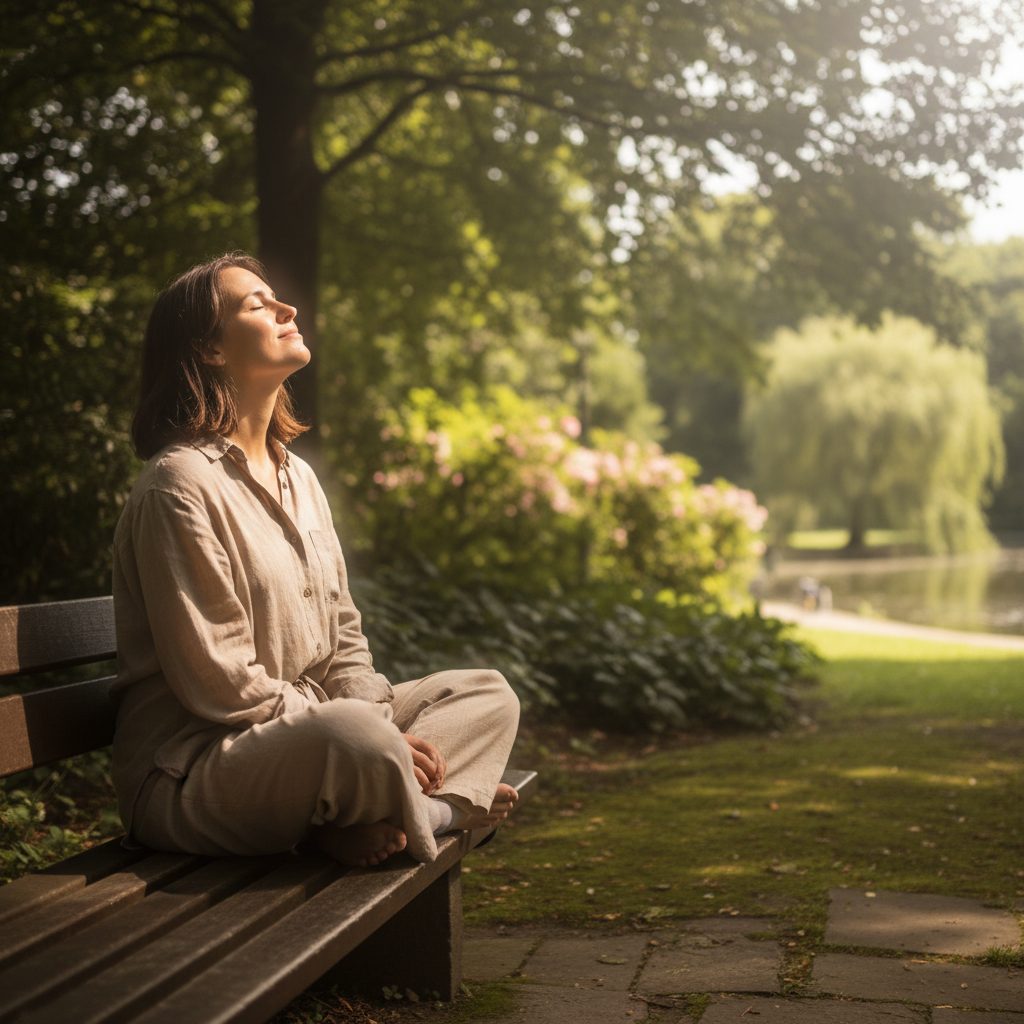
Finding a quiet moment before fellowship can be one of the most effective daily habits for social anxiety. It allows you to ground yourself in faith and approach community with a peaceful heart.
Ultimately, God’s design allows for both divine peace and practical action. He doesn’t ask us to simply wish anxiety away but invites us into a partnership where we apply the wisdom He provides through Scripture, community, and even science. Remember His promise that “My grace is sufficient for you, for my power is made perfect in weakness” (2 Corinthians 12:9). Your journey toward building social confidence biblically is not about achieving a perfect, anxiety-free state. In other words, it’s about learning to lean on His strength and use the effective tools He has made available, finding greater freedom one step at a time. Many have found great resources for this integrated approach through organizations like the American Association of Christian Counselors.
Re-scripting Your Thoughts: a Daily Habit for Social Anxiety
One of the most powerful daily habits for social anxiety involves learning to challenge and re-write the scripts in your mind. This practice, often called cognitive restructuring in Cognitive Behavioral Therapy (CBT), is deeply biblical; the Apostle Paul instructs us to “take captive every thought to make it obedient to Christ” (2 Corinthians 10:5). When we experience social anxiety, our minds often generate automatic negative thoughts based on fear, not truth. Consequently, we begin to believe these internal narratives—that we will be judged, that we are awkward, or that we don’t belong—which fuels the cycle of fear and avoidance. Learning to intercept these thoughts is a critical first step toward freedom.
Biblical Thought Challenge for Social Anxiety
To begin this exercise, start by identifying a specific fear-based thought you have in social situations, for instance, “I’m going to say something foolish and everyone will laugh at me.” Next, challenge that thought with God’s truth and gentle reason. Ask yourself: What is the actual evidence for this? More importantly, what is true about me as a child of God? Finally, replace the old thought with a new, biblically-grounded script, such as, “My worth is not based on others’ opinions but on Christ’s love for me. I can trust God to be with me even if I feel awkward.” This process of actively managing social interaction fear retrains your brain to operate from a place of peace rather than panic.
Practicing this daily, even for just a few minutes, transforms it from a difficult exercise into a life-giving habit. This is precisely what Paul encourages in Philippians 4:8, where he calls us to dwell on whatever is true, noble, right, pure, and lovely. By intentionally focusing our minds on God’s truth instead of our fears, we build a new foundation for our confidence. Over time, this discipline doesn’t just help us cope; it fundamentally re-scripts our thinking to align with the unshakeable truth of who God says we are, making it one of the most effective social anxiety exercises to practice daily.
Centering Prayer for Social Anxiety: a Moment-by-moment Practice
Among the many spiritual disciplines, a specific kind of prayer for social anxiety can fundamentally reshape our response to fear. Centering prayer is a contemplative practice that helps quiet the mind’s frantic activity, allowing you to rest in God’s presence instead of being driven by anxious thoughts. In essence, this method helps regulate the nervous system by anchoring your awareness in God, fulfilling the command in Psalm 46:10 to “Be still, and know that I am God.” This practice differs from prayers of petition; rather, it is about silent communion. According to Contemplative Outreach, Ltd., the intention is not to eliminate thoughts but to consent to God’s presence and action within. Consequently, by practicing this stillness, you train your brain to find a peaceful anchor amidst internal storms.
Daily Sacred Word Practice for Social Anxiety

The practice itself is simple yet profound, making it one of the most accessible faith-based social skills. First, choose a single, sacred word that represents your intention to connect with God, such as “Jesus,” “Peace,” or “Abba.” Sit comfortably and silently introduce the word, allowing it to rest in your awareness. When you notice your mind wandering to anxious thoughts—a certainty for everyone—simply and gently return to your sacred word without judgment. This gentle returning is the core of the exercise. Research from organizations like the American Association of Christian Counselors consistently shows that such mindfulness-based practices can significantly reduce anxiety symptoms by retraining attentional focus. In other words, you are creating new neural pathways that lead to peace instead of panic.
This moment-by-moment returning to God is a powerful tool for managing social interaction fear in real-time. For instance, before walking into a crowded church fellowship hall, you can take thirty seconds to close your eyes, breathe deeply, and silently repeat your sacred word. This act grounds you in God’s unwavering presence, not the shifting sands of social approval. This technique transforms Paul’s instruction to “pray without ceasing” (1 Thessalonians 5:17) from a daunting command into a tangible, moment-by-moment practice of returning home to Him. Ultimately, as the American Psychological Association notes regarding mindfulness, consistent practice builds a resilient mind less susceptible to the triggers of Social Anxiety Disorder.
Building Social Confidence Biblically Through Gradual Exposure
One of the most powerful daily habits for social anxiety involves gently and intentionally facing the situations you fear. This biblical approach, known in psychology as gradual exposure therapy, is not about mustering up your own courage but about stepping forward in faith, trusting that God is with you. For instance, the Bible is filled with reminders that we are not alone in our struggles. This method allows you to build social confidence biblically, transforming fear into faith one small step at a time. It is a practical way to live out the truth that God has not given us a spirit of fear, but of power, love, and a sound mind (2 Timothy 1:7).
Daily Gradual Exposure for Social Anxiety
Gradual exposure is a core component of Cognitive Behavioral Therapy (CBT), a highly effective and well-researched treatment for Social Anxiety Disorder. According to the American Psychological Association, this method works by helping you confront your fears in a structured, manageable way, which gradually reduces the fear response. Think of it like wading into a pool; you start at the shallow end rather than jumping into the deep. In other words, you might begin by simply making eye contact with a cashier, then progress to asking them how their day is. Consequently, these small victories retrain your nervous system, showing your brain that these social situations are not truly dangerous.
This therapeutic process beautifully aligns with the scriptural call to be courageous in God’s strength. For example, God commanded Joshua, “Be strong and courageous. Do not be frightened, and do not be dismayed, for the Lord your God is with you wherever you go” (Joshua 1:9 NIV). This isn’t a command to be fearless on our own, but an invitation to act courageously because He is with us. As the Anxiety & Depression Association of America (ADAA) notes, avoiding feared situations only strengthens anxiety over time. Therefore, combining faith with these evidence-based social phobia coping skills allows you to reclaim ground from fear, confident in God’s presence and the practical wisdom He provides, which the Biblical Counseling Coalition affirms is a healthy, integrated approach.
Embodied Peace: a Social Anxiety Exercise to Practice Daily in Your Body

Thought re-scripting is one of the most effective daily habits for social anxiety, helping to challenge and change negative mental scripts.
While our minds wrestle with anxious thoughts, our bodies are often the first to react, sending signals through a tense nervous system. Therefore, some of the most effective social anxiety exercises to practice daily are not just mental but physical, helping to soothe your body’s built-in alarm system. This approach honors the truth that we are “fearfully and wonderfully made” (Psalm 139:14), with bodies designed to seek safety and equilibrium. In other words, managing social interaction fear involves learning to listen to and care for your physical self, which can powerfully shift your mental and emotional state towards the peace God promises. This practice is a foundational step in creating daily habits for social anxiety that bring lasting change.
Daily Grounding Exercises for Social Anxiety
A simple yet profound exercise is a grounding technique that intentionally reconnects your mind to your body and your present surroundings. For instance, when you feel a wave of anxiety, pause and gently press your feet into the floor. Notice the solidness of the ground beneath you. Then, slowly clench and unclench your fists, paying close attention to the sensation of the muscles engaging and releasing. According to Healthline Grounding Techniques, these simple somatic actions can interrupt anxious thought spirals by redirecting your focus to the physical present. Consequently, this small act serves as a reminder that you are securely held in this moment, not adrift in the fearful what-ifs of a social situation.
This physical grounding is more than a psychological trick; it is a spiritual practice of entrusting your well-being to God. By calming your body, you create space for your heart and mind to receive the peace that “transcends all understanding” (Philippians 4:7). This exercise acknowledges that our spiritual health is deeply connected to our physical state, a concept supported by both scripture and modern neuroscience. As explained by researchers at The National Center for Biotechnology Information, regulating the autonomic nervous system is key to managing anxiety. In essence, you are stewarding the magnificent creation of your body, allowing God’s peace to permeate not just your thoughts, but your very bones and breath, which The BioLogos Foundation notes is a vital aspect of embodied faith.
Seeking Wise Counsel: Finding Christian Social Anxiety Help
While personal disciplines are foundational, the journey to overcoming severe social anxiety often involves seeking Christian social anxiety help from a trained professional. The Bible consistently champions the wisdom of seeking guidance, reminding us that, “Where there is no guidance, a people falls, but in an abundance of counselors there is safety” (Proverbs 11:14). In fact, reaching out for help is not a sign of spiritual failure; on the contrary, it is an act of wisdom and a step of faith, trusting that God provides healing through many avenues, including the expertise of others. This approach allows you to combine faith-based social skills with proven therapeutic strategies.
When searching for a counselor, it is important to find someone who is not only a committed Christian but also a licensed professional trained in evidence-based methods. For instance, many effective therapists utilize Cognitive Behavioral Therapy (CBT), a powerful tool for re-scripting the negative thought patterns associated with Social Anxiety Disorder. Reputable directories, such as those provided by the American Association of Christian Counselors or Psychology Today, can be excellent resources for finding qualified practitioners in your area. Ultimately, a good therapist will integrate your faith into your treatment plan, using it as a source of strength and hope.
A skilled Christian counselor can help you navigate the complexities of managing social interaction fear by providing both spiritual encouragement and clinical tools. They can guide you in applying biblical truths to your specific anxieties in a structured, therapeutic way. According to the National Institute of Mental Health, psychotherapy helps individuals develop healthier, more effective habits. Therefore, embracing professional counsel is a profound act of stewarding your mind and body, honoring the intricate way God has made you and pursuing the full, abundant life He desires for you in community with others.
Conclusion: Walking Forward in Faith and Freedom
Embarking on this journey to manage social anxiety requires courage, and integrating these social anxiety exercises to practice daily is a profound act of faith. You have learned how God designed your mind, how to re-script anxious thoughts through a Cognitive Behavioral Therapy (CBT) framework, and how to find peace in centering prayer. Furthermore, you’ve discovered how to build biblical confidence through gradual exposure and soothe your nervous system with embodied practices. This path is not about achieving perfection overnight; rather, it is about leaning into God’s strength in your moments of weakness, just as 2 Corinthians 12:9 reminds us that His grace is sufficient. Therefore, every small step you take is a victory, reclaiming the peace and community He desires for you.
Ultimately, walking forward in faith means embracing both the spiritual disciplines and the practical tools available. Remember, it is for freedom that Christ has set us free (Galatians 5:1), and that freedom extends to your mental well-being. If the weight feels too heavy, seeking support from a professional is an act of wise stewardship. Organizations like the Anxiety & Depression Association of America (ADAA) offer excellent resources, and the American Psychological Association provides detailed information on effective treatments like CBT. For those seeking a counselor who shares their faith, the American Association of Christian Counselors can be a valuable resource. Consequently, by combining your faith, these daily habits, and wise counsel, you can move toward a life of greater connection and freedom from the chains of social fear.