Regulate Your Nervous System With Vagus Nerve Exercises: Tips
Estimated reading time: 14 minutes
Introduction: the Peace of God in a World of Anxiety
In a world where anxiety is increasingly common, the biblical promise of peace can feel distant. According to the World Health Organization, anxiety disorders affect millions globally, leaving many people feeling constantly overwhelmed. However, God’s desire for our well-being extends to every part of our being, including our physical bodies. This article offers a path forward, showing you how to regulate your nervous system with vagus nerve exercises. We will explore how to blend timeless biblical wisdom with modern scientific understanding to help you find a state of genuine rest.
Vagus Nerve Exercises for Christian Stress Relief
The Apostle Paul speaks of “the peace of God, which transcends all understanding” (Philippians 4:7), a state that can guard our hearts and minds. Interestingly, modern science helps us understand the physical pathways God created for this peace. Central to this is the vagus nerve, a key component of the body’s relaxation response system. As described by medical experts at institutions like the Cleveland Clinic, learning how to tone the vagus nerve is not a secular replacement for faith; rather, it is about faithfully stewarding the intricate systems God designed within us to manage stress and foster a sense of safety.
Consequently, this journey is about integration, not opposition. Throughout this article, we will explore practical, faith-based calming methods grounded in our God-given physiology. We will touch upon helpful concepts like Polyvagal Theory, which provides a framework for understanding our body’s responses to stress and connection. Ultimately, the goal is to move beyond simply coping with anxiety and toward a life of Christian flourishing. By combining spiritual disciplines with somatic healing techniques, we can cultivate the profound peace that comes from both our Creator and a well-regulated nervous system, a holistic approach to mental health that many faith communities now champion, as noted by publications like Christianity Today.
Our Embodied Faith: the Theology of a Regulated Nervous System
Many Christians view their faith as a matter of the soul, yet our Creator designed us as integrated beings of spirit, mind, and body. Consequently, exploring faith-based calming methods is not a departure from Scripture but an affirmation of our physical design. This holistic approach to well-being recognizes that our spiritual peace is deeply intertwined with our physiological state. In other words, tending to our physical bodies is a spiritual practice that allows us to be more present and available for God’s work in our lives. True biblical rest involves more than just ceasing from labor; it means stewarding the intricate nervous system God has given us.
Vagus Nerve Exercises for Christian Stress Relief
The Bible consistently affirms the goodness of our physical bodies. For instance, the Apostle Paul reminds us, “Do you not know that your bodies are temples of the Holy Spirit, who is in you, whom you have received from God? You are not your own; you were bought at a price. Therefore honor God with your bodies” (1 Corinthians 6:19-20). As a result, practices that promote nervous system regulation are a modern way to fulfill this command. According to a perspective from The Gospel Coalition, our embodiment is a core aspect of our humanity, not something to be ignored. Caring for our physical selves, therefore, becomes an act of worship and gratitude for the miracle of creation.

In a world filled with anxiety, finding the ‘peace of God’ is possible. Learning to regulate your nervous system naturally creates a foundation for spiritual and emotional calm.
This theological understanding beautifully complements findings in modern science. Concepts like Polyvagal Theory, for example, do not conflict with faith; instead, they provide a language to describe the profound, God-given connection between our minds and bodies that Harvard Health explains in detail. Evidence-based somatic healing techniques can be seen as a “common grace”—a gift from God available to all people to promote healing and flourishing. Indeed, the Christian Association for Psychological Studies supports integrating psychological knowledge with Christian faith. Ultimately, using these tools for Christian stress relief is a responsible way to steward our health, enabling us to love God and our neighbors more fully.
God’s Built-in Pathway to Peace: Understanding the Vagus Nerve
In our pursuit of spiritual peace, we often overlook the incredible way God has designed our very bodies to find tranquility. He has woven pathways for peace directly into our physiology, and understanding these can be a profound act of faith. In fact, one of the most effective ways to calm your nervous system naturally is by engaging with a specific, God-given tool: the vagus nerve. Learning how to work with this nerve is one of the foundational somatic healing techniques that aligns modern science with the biblical call to “be still, and know that I am God” (Psalm 46:10). This approach isn’t about replacing faith with science; rather, it’s about using the physical body God gave us to better receive the peace He promises.
Vagus Nerve’s Role in Nervous System Regulation
The vagus nerve is the longest cranial nerve in your body, often called the “wandering nerve” because it meanders from your brainstem down through your neck and into your chest and abdomen, connecting with nearly every major organ system along the way. Think of it as a master communication highway, constantly sending information between your brain and your body. According to the Cleveland Clinic, this nerve is a primary component of the parasympathetic nervous system, which is responsible for calming your body after a period of stress. In other words, it is a key player in the intricate design the Psalmist praises in Psalm 139:14, declaring we are “fearfully and wonderfully made.” It is a testament to a Creator who is intimately involved in the details of our being.
This nerve is central to what is known as Polyvagal Theory, which helps us understand how our body interprets and responds to signals of safety or danger. When the vagus nerve is “toned” or healthy, it helps you shift more easily into a “rest and digest” state, characterized by a feeling of safety and social connection. This physical state of calm creates a fertile ground for the spiritual peace God offers through Christ, the “peace that transcends all understanding” (Philippians 4:7). As research from the National Institutes of Health shows, managing our physiological stress responses is vital for overall health. Therefore, engaging in practices that stimulate the vagus nerve is a way of stewarding our bodies and actively participating in God’s gift of shalom.
How to Regulate Your Nervous System with Vagus Nerve Exercises
Learning how to regulate your nervous system with vagus nerve exercises is a practical way to steward the body God has given you. These somatic healing techniques help attune your body to the peace of Christ that surpasses all understanding (Philippians 4:7). By gently stimulating the vagus nerve, you help your entire being resonate with the Spirit’s calm. This process, often called improving vagal tone, shifts your body from chronic stress into a state of rest, which is foundational to connecting with God and others.

Our Creator designed us as integrated beings. Christian stress relief involves the spirit, mind, and body, illustrating the deep connection between our faith and a regulated nervous system.
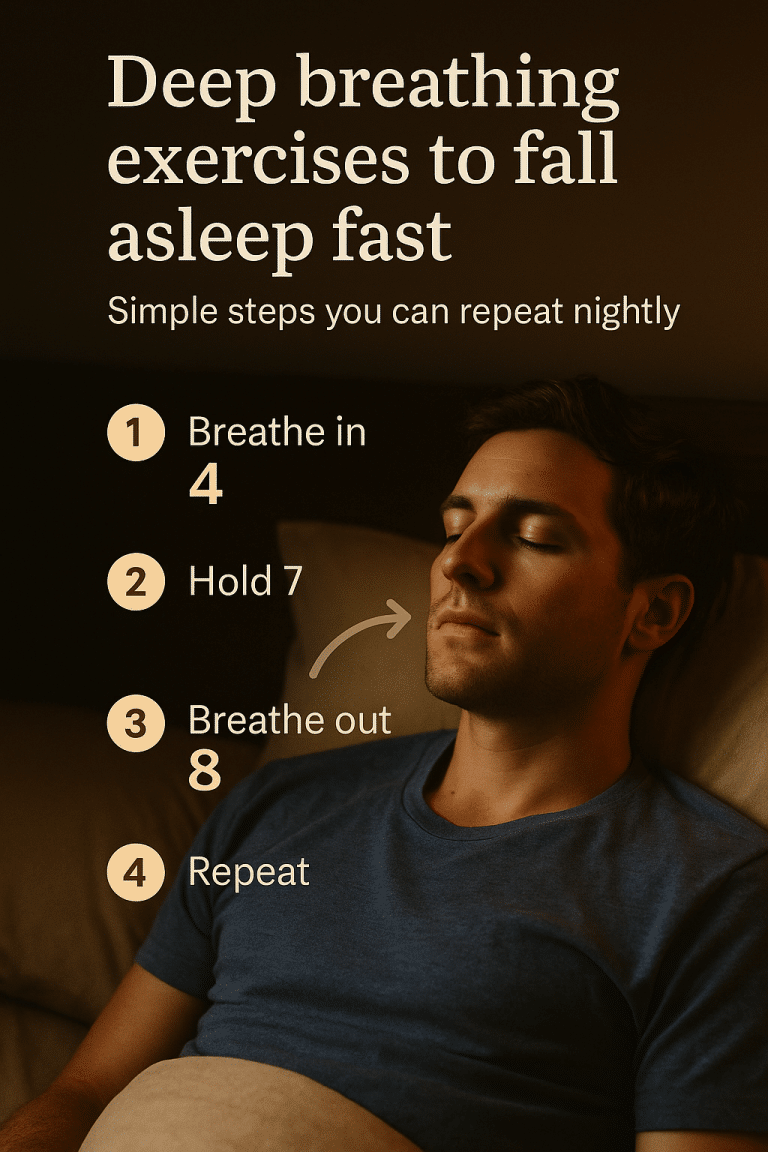
Several simple practices can help. One of the most effective is slow, deep breathing; for example, inhale for four counts and exhale for eight. This pattern directly stimulates the vagus nerve and slows your heart rate, as documented by Frontiers in Human Neuroscience. Another powerful technique involves humming or singing. According to health resources like the Mayo Clinic, intentional breathing is a key tool for stress reduction. In other words, the vibrations in your throat gently massage the vagus nerve, offering a straightforward method for faith-based calming.
Ultimately, these exercises are physical prayers, enacting the command to “be still, and know that I am God” (Psalm 46:10). They support spiritual discipline by creating a physiological calm that makes prayer more accessible. When our bodies are not in a constant state of alarm, we can more readily receive God’s peace. Research highlighted by the American Psychological Association shows such practices reduce stress, preparing our hearts for deeper communion. This holistic anxiety relief helps us inhabit our role as temples of the Holy Spirit (1 Corinthians 6:19-20).
Diaphragmatic Breathing As Breath Prayer
One of the most accessible and profound faith-based calming methods involves diaphragmatic breathing, a simple technique that serves as a powerful way to regulate your nervous system with vagus nerve exercises. In essence, this practice transforms a basic biological function into a form of “breath prayer,” directly engaging the body’s God-given calming pathways. This deep, intentional breathing stimulates the vagus nerve, sending a signal to your brain that it is safe to relax, which, in turn, shifts you out of a “fight-or-flight” state. Research confirms that slow, deep breathing techniques, as highlighted by the National Institutes of Health, can have a significant positive effect on the autonomic nervous system.
Faith-based Vagus Nerve Breathing
To practice this, find a comfortable position, either sitting or lying down, and place one hand on your chest and the other on your belly. Inhale slowly through your nose for a count of four, allowing your belly to expand while your chest remains relatively still—a key component in the technique described by medical experts at the Cleveland Clinic. As you breathe in, you might meditate on inhaling God’s peace or presence. Then, exhale slowly through your mouth for a count of six, feeling your belly fall and gently releasing your anxieties and fears into God’s care, just as encouraged in Philippians 4:6-7.
This practice is a beautiful example of how our physical and spiritual lives are intertwined, honoring the body as a “temple of the Holy Spirit” (1 Corinthians 6:19-20). In other words, by calming our physical state through breath prayer, we create a more receptive internal environment for hearing God’s voice and experiencing His peace. It is a somatic healing technique that acknowledges we are whole beings; indeed, the American Psychological Association has noted that such spiritual practices can be a vital component of psychological well-being. Ultimately, using your breath as prayer is a tangible, moment-by-moment way to cast your cares upon Him, knowing that He cares for you.
Sacred Sound: How Toning the Vagus Nerve Aligns with Worship
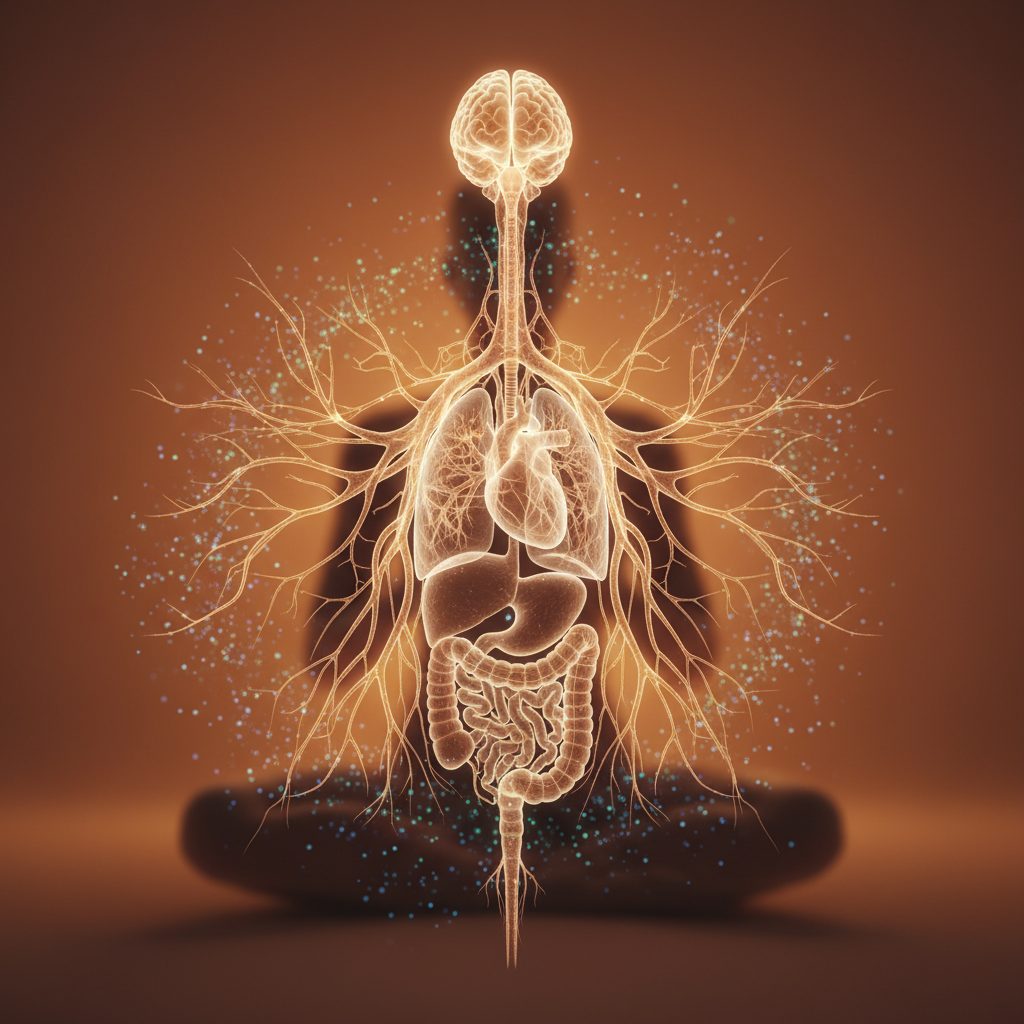
The vagus nerve is God’s built-in pathway for peace, connecting the brain to the heart and gut. Understanding this connection is the first step toward somatic healing and calming your nervous system naturally.
The connection between our voice and our spirit runs deeper than we might imagine, offering powerful, faith-based calming methods to soothe an anxious soul. When we explore how to tone the vagus nerve, we discover that the very act of creating sound through humming, chanting, or singing is a potent form of physiological regulation. This is because the vagus nerve is intricately connected to our vocal cords and the muscles at the back of our throat.
Consequently, the gentle vibrations produced during these vocal activities stimulate the nerve, sending a direct signal to our brain that we are safe. Research has shown that practices like chanting can deactivate areas of the brain associated with stress, as noted in a study on its neurohemodynamic effects published by the National Library of Medicine. This means that when we lift our voices in praise, we are also participating in a somatic healing technique gifted to us by our Creator.
Tone Your Vagus Nerve Through Christian Singing
In fact, this process provides a beautiful illustration of our embodied faith. The resonant frequency of singing, particularly the slow, extended exhalations found in hymns and liturgical chants, has a measurable impact on our heart rate variability (HRV), a key indicator of nervous system resilience. A higher HRV is linked to a better stress response. According to research from Frontiers in Psychology, choral singing can synchronize the heart rates of singers, promoting a collective sense of calm and well-being. In other words, as we join in corporate worship, the vibrations from our voices and the voices of those around us are literally helping to regulate our nervous systems, providing a powerful form of Christian stress relief. It’s a physical manifestation of believers uniting in one accord.
This God-given biofeedback loop is not a new discovery but an ancient truth reflected in Scripture. The Bible consistently calls us to make a joyful noise. For instance, Ephesians 5:19 encourages us to be, “speaking to one another with psalms, hymns, and songs from the Spirit. Sing and make music from your heart to the Lord.” This is not merely a suggestion for worship style but a divine invitation into holistic anxiety relief. It reframes worship as an integrated practice that cares for our spiritual, emotional, and physical states simultaneously. The act of singing praise aligns our bodies and souls, calming our fears and drawing us closer to the peace of God that transcends all understanding. As APA PsycNet highlights, music and singing are known to have therapeutic benefits, reinforcing how our ancient faith practices are supported by modern understanding.
Holistic Anxiety Relief Through Biblical REST Techniques
Beyond merely ceasing from labor, ancient biblical rest techniques provide a powerful framework for holistic anxiety relief in our modern, overstimulated world. This sacred practice, often referred to as Sabbath, is a divine invitation to intentionally step away from the endless cycle of striving and productivity. In doing so, we create the necessary space to calm the nervous system naturally, signaling to our bodies that we are safe and secure in God’s presence. It is one of the most foundational faith-based calming methods, deeply rooted in the very rhythm of creation and designed for our spiritual and physiological flourishing.
Biblical REST: Regulate Your Nervous System
The scriptural call to rest is a profound promise of restoration. For instance, when Jesus invites, “Come to me, all you who are weary and burdened, and I will give you rest” (Matthew 11:28), He is speaking to the complete exhaustion of mind, body, and spirit. This concept is more than just a metaphor; it has tangible, neurological benefits. As research explored in Psychology Today suggests, practices like Sabbath that involve rest and mindfulness can reduce stress and enhance well-being. By ceasing from anxious effort, we allow our parasympathetic nervous system to take the lead, which is key to understanding how to tone the vagus nerve and enter a state of true repose.
Practicing this restorative rest can take many forms in a contemporary Christian life. For example, it might involve spending a quiet afternoon walking in nature, an activity that a study in Frontiers in Psychology found significantly lowers stress hormones. It could also mean dedicating time to silent, contemplative prayer, or engaging in a life-giving hobby without pressure to perform. These acts of intentional rest are a form of Christian stress relief that realigns our focus on God’s provision rather than our own efforts. For those wishing to explore these connections between faith and mental health further, resources from organizations like the Christian Counseling & Educational Foundation (CCEF) offer valuable guidance. Ultimately, this rhythm of rest helps regulate your nervous system by reminding you that your worth is not in what you do, but in whose you are.
You can learn how to regulate your nervous system with vagus nerve exercises. Simple practices like deep, slow breathing can signal safety to your body and help you find calm.
When Faith-based Calming Methods Meet Professional Care
While faith-based calming methods provide powerful tools for Christian stress relief, it is crucial to recognize that they are not always a substitute for professional mental health care. These somatic healing techniques beautifully complement a spiritual life, but they do not replace the need for therapeutic intervention when dealing with deep-seated trauma, clinical anxiety, or depression. In fact, embracing professional help is not a sign of weak faith; rather, it is an act of wisdom, utilizing the resources God has made available through skilled and compassionate practitioners. Just as we see a doctor for a broken bone, we can see a therapist to help heal the unseen wounds of the mind and spirit, viewing it as a vital component of holistic anxiety relief.
When Faith-based Help Becomes Necessary
Consequently, knowing when to seek help is a mark of spiritual maturity. If you experience persistent symptoms that disrupt your daily life—such as overwhelming sadness, debilitating panic, or an inability to connect with God and others—it may be time to consult a professional. The National Alliance on Mental Illness (NAMI) provides clear guidance on warning signs that warrant attention. For many believers, integrating their faith into the therapeutic process is essential. Moreover, research highlighted by the American Psychological Association (APA) indicates that spiritually integrated psychotherapy can lead to improved outcomes, affirming that faith and science can work hand-in-hand for our healing.
Scripture repeatedly encourages us to seek wise counsel. Proverbs 11:14 (ESV) states, “Where there is no guidance, a people falls, but in an abundance of counselors there is safety.” This biblical wisdom applies directly to mental and emotional health. Caring for our nervous system is a way of honoring the temple of the Holy Spirit (1 Corinthians 6:19-20). Therefore, engaging with a licensed therapist, particularly one who respects your faith, is a responsible act of stewardship over the life God has given you. Resources like the American Association of Christian Counselors (AACC) can help you find qualified professionals who align with your values, ensuring you receive care that honors your whole person—body, soul, and spirit.
Conclusion: Walking in God’s Peace, Body and Soul
Our journey has shown that learning how to regulate your nervous system with vagus nerve exercises is not a departure from faith. Instead, it is a deeper engagement with our God-given bodies. These somatic healing techniques are a way to steward the temple of the Holy Spirit, preparing us to more fully receive God’s peace. The principles of Polyvagal Theory affirm the Christian understanding of an embodied soul, where our spiritual and physical states are deeply intertwined. Ultimately, these practices are tools that quiet the storms of anxiety, allowing us to better hear His still, small voice.
Therefore, embracing these methods is an act of faith. We can trust that God has provided pathways to healing within our very own anatomy, as detailed by modern medicine’s understanding of the vagus nerve. This approach to holistic anxiety relief complements prayer and scripture, creating a robust framework for Christian stress relief. As we partner with God, we find comfort in His promise from Philippians 4:7, that His peace will guard our hearts and minds. For those seeking further guidance, resources from the American Association of Christian Counselors offer invaluable support. Let this knowledge empower you to walk forward in the profound, embodied peace that is your inheritance in Christ.