Regulate Your Nervous System After Chronic Stress: 7 Steps
Estimated reading time: 15 minutes
What Is Christian Chronic Stress Recovery?
Christian chronic stress recovery is a holistic path to heal from chronic stress by integrating faith-based principles with evidence-based psychological and physiological practices. When you experience prolonged pressure, your body can get locked in a state of high alert, a condition the American Psychological Association explains can have serious health consequences. Consequently, this journey isn’t about ignoring the physical realities of a dysregulated nervous system; instead, it’s about inviting God into the process of healing your entire being—mind, body, and spirit. The ultimate goal is to regulate your nervous system after chronic stress, finding a sustainable peace that transcends mere circumstance.
Calm Your Nervous System Through Prayer & Shalom
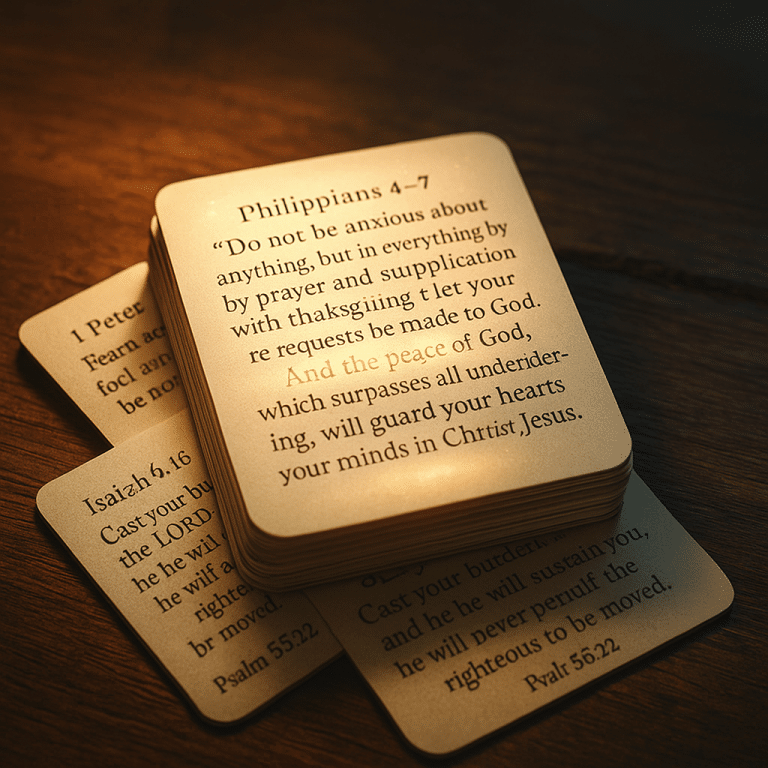
At its core, this approach seeks to restore the biblical concept of “shalom,” or complete wholeness. True peace, as described in Scripture, is not simply the absence of conflict but the presence of a life-giving harmony with God, others, and yourself. For instance, the Apostle Paul encourages believers, “Do not be anxious about anything, but in every situation, by prayer and petition, with thanksgiving, present your requests to God. And the peace of God, which transcends all understanding, will guard your hearts and your minds in Christ Jesus” (Philippians 4:6-7). In other words, Christian recovery views spiritual practices like prayer as foundational for inviting divine peace to calm a stressed nervous system and a troubled mind, recognizing the deep connection between spiritual and mental health as supported by research into spirituality and health outcomes.
Therefore, this integrated model fully embraces the tools God has provided through modern science and therapeutic practices. It acknowledges that our bodies, fearfully and wonderfully made, have intricate systems like the autonomic nervous system that require specific, tangible care. As a result, faith-based nervous system healing combines spiritual disciplines like contemplative prayer and scripture meditation with somatic exercises and psychologically-sound therapies. This is not about choosing faith over science, but rather wedding the two, using every available resource to restore the health and joy God desires for every person.
Step 1: Ground Yourself in God’s Presence Through Breath Prayer
The journey to regulate your nervous system after chronic stress begins with a single, intentional breath. This first step, breath prayer, is a powerful somatic practice that grounds you in the present moment and connects your physical body to your spiritual awareness. In moments of overwhelm, your breathing often becomes shallow and rapid, signaling danger to your brain. Consequently, consciously slowing your breath can be one of the most effective ways to calm a stressed nervous system. As noted by experts in mindfulness and psychology, controlled breathing techniques are foundational for managing the body’s stress response. This simple act creates a sacred space for a nervous system reset, inviting God into the very center of your physical and emotional turmoil.
Regulate Your Nervous System with Breath Prayer
Breath prayer is an ancient Christian tradition that is beautifully simple to practice. First, find a comfortable position and gently close your eyes. As you inhale slowly and deeply through your nose, silently speak a name for God or a short phrase of adoration, such as “Abba, Father” or “Lord Jesus Christ.” Then, as you exhale slowly through your mouth, release your anxieties with a corresponding phrase like, “I receive your peace” or “Have mercy on me.” This continuous, rhythmic prayer aligns with the biblical encouragement to “pray without ceasing” (1 Thessalonians 5:17), turning your very breath into a vessel for constant communion and biblical stress relief. According to Harvard Health Publishing, this type of deep, focused breathing is a cornerstone of stress reduction.

This practice provides more than just a momentary feeling of calm; it fundamentally shifts your physiology. For instance, slow, diaphragmatic breathing activates the vagus nerve, which is the main component of your parasympathetic nervous system—the body’s “rest and digest” command center. This activation directly counteracts the “fight or flight” response that chronic stress perpetuates. In other words, you are using the body God designed to create a state of safety and receptivity. It is in this stillness, as your body and mind settle, that you can more clearly follow the command of Psalm 46:10: “Be still, and know that I am God.” The tangible peace you cultivate through breath prayer for inner peace creates fertile ground for deeper spiritual healing. The American Psychological Association also confirms that stress profoundly impacts the body, and techniques that calm the physiological response are critical for recovery.
Step 2: Co-regulate with God in Safe, Embodied Prayer
Beyond individual coping mechanisms, the journey to regulate your nervous system after chronic stress involves a relational process known as co-regulation. In psychology, co-regulation is the way one nervous system interacts with another to find safety and calm, most often seen between a caregiver and child. For instance, as Christians, we can apply this principle to our relationship with God, who the Bible calls our ultimate Comforter (2 Corinthians 1:3-4). This form of faith-based nervous system healing invites God’s peaceful presence to directly soothe our own physiological state. In short, this step shifts us from merely managing stress on our own to receiving divine comfort in a deeply felt and transformative way.
Prayer & Body Awareness for Nervous System Reset
To begin this practice, find a quiet and safe space where you will not be disturbed. First, gently bring your awareness to the physical sensations in your body without judgment. You might notice tightness in your chest, a knot in your stomach, or tension in your shoulders. Instead of trying to force these feelings away, simply acknowledge their presence. Then, in this state of gentle awareness, extend a prayer for inner peace, inviting God into those specific places of discomfort. You could whisper, “God, meet me in this tension.” According to researchers at the National Center for Biotechnology Information, this kind of mindful, focused prayer can have a significant impact on neurological pathways, helping to calm a stressed nervous system over time. This process is less about words and more about experiencing His presence somatically.
This embodied prayer becomes a powerful tool for attachment, creating a secure bond with God that remodels our baseline stress levels. As psychologist Dr. Stephen Porges explains in his work, our nervous system is constantly scanning for cues of safety or danger, a concept he calls neuroception. Through consistent, embodied prayer, we are training our nervous system to perceive God’s presence as the ultimate cue of safety. Consequently, this practice doesn’t just offer temporary relief; it actively rewires our response to stress. It affirms the promise of Isaiah 26:3, “You will keep in perfect peace those whose minds are steadfast, because they trust in you.” Over time, this transforms prayer from a cognitive exercise into a lived reality that brings healing deep within our bodies, as described by experts in somatic approaches at Somatic Experiencing International.
Step 3: a Faith-based Nervous System Healing Through Lament
While many wellness trends focus exclusively on positive thinking, Christian tradition offers a profound tool for faith-based nervous system healing: the practice of lament. Lament is far more than complaining; it is a raw, honest, and biblically-endorsed form of prayer that brings our deepest pain, confusion, and grief directly to God. As Dr. D.A. Carson notes, it is a way of “protest, complaint, and a confident appeal for God to intervene.” This ancient practice, seen throughout the Psalms and the book of Lamentations, gives us permission to be fully human before a fully compassionate God. Consequently, it creates a space for authentic connection that begins the process to regulate your nervous system after chronic stress.
Lament: Somatic Healing for a Stressed Nervous System

The first step in healing is grounding yourself in God’s presence. Intentional breath prayer is a powerful biblical tool to begin the process and regulate your nervous system after chronic stress.
From a psychological perspective, bottling up difficult emotions is a primary driver of a dysregulated nervous system. Unexpressed grief and anger can keep us stuck in a fight-or-flight state, contributing to the exhaustion of chronic stress. In contrast, the act of lament—giving voice to our suffering—is a powerful somatic healing exercise. According to numerous studies cited by sources like The American Psychological Association, articulating negative emotions can reduce their physiological intensity. In other words, when you honestly cry out to God like David in Bible Gateway: Psalms 13, “How long, Lord? Will you forget me forever?”, you are not showing a lack of faith. Instead, you are engaging your body and soul in a process that can help calm a stressed nervous system.
You can begin this practice by reading the Psalms of lament, which a resource from Zondervan Academic helpfully categorizes. For instance, start with Psalms 22 (NIV), 44, or 88. Read them aloud and allow the words to resonate with your own experience of suffering. Following this, you might try writing your own lament, honestly telling God what feels wrong, asking for His help, and, when you are ready, choosing to reaffirm your trust in His character. This powerful spiritual discipline validates your emotional reality and, as explained in a helpful guide from The Gospel Coalition, steers the soul back toward hope, providing a pathway for deep and lasting peace.
Step 4: How Biblical Stress Relief Can Regulate Your Nervous System After Chronic Stress
Integrating faith-based practices offers a profound way to regulate your nervous system after chronic stress, grounding your healing journey in God’s promises. In fact, this spiritual approach moves beyond simple coping mechanisms by inviting the Holy Spirit to actively participate in your restoration. It involves intentionally shifting your focus from the anxieties of the world to the steadfastness of God, a process that can create tangible physiological change. This is echoed in Philippians 4:6-7, which encourages us not to be anxious but to present our requests to God, receiving a peace that transcends all understanding and guards our hearts and minds.
Gratitude & Scripture for Nervous System Reset
For instance, practicing gratitude is a powerful form of biblical stress relief. Instead of dwelling on what is broken, you intentionally thank God for His blessings, which shifts your cognitive and emotional state. Research from institutions like UC Berkeley’s Greater Good Science Center has repeatedly shown that gratitude can reduce stress and improve well-being. Similarly, meditating on Scripture allows God’s truth to rewire the neural pathways grooved by chronic anxiety. Focusing on promises of His provision (Matthew 6:25-34) or His constant presence (Psalm 139) directly counters the fear signals that keep the nervous system in a state of high alert.
Ultimately, these faith-based practices serve as somatic healing exercises that calm a stressed nervous system. When you engage in heartfelt prayer or reflective gratitude, your body often responds by slowing your heart rate and deepening your breath, which the American Psychological Association notes are key physical responses to stress reduction. This isn’t about ignoring your pain, but rather bringing it into the light of God’s presence where it can be transformed. As you consistently turn to these spiritual resources, you are not just managing symptoms; you are building a resilient, God-centered foundation for lasting inner peace, a core component of recovering from the effects of long-term stress highlighted by the National Institute of Mental Health.
Step 5: Practice Somatic Healing Exercises with a Focus on Gratitude

Co-regulating with God through embodied prayer creates a felt sense of safety, which is essential for healing and achieving a nervous system reset after prolonged stress.
Integrating simple, faith-based somatic healing exercises into your routine can be a profound way to calm a stressed nervous system. Chronic stress often creates a deep disconnect between our minds and bodies, trapping tension in our physical selves. Consequently, somatic practices, which focus on internal physical perception and experience, help release this stored trauma. According to experts at the Somatic Experiencing Trauma Institute, these exercises help us gently attend to our bodily sensations without judgment. For Christians, this becomes an act of stewardship, caring for the temple of the Holy Spirit (1 Corinthians 6:19-20) by acknowledging the physical impact of our emotional and spiritual battles.
Regulate Your Nervous System with Thankful Body Scan
To begin, you can practice a simple body-scan meditation rooted in thankfulness. Find a quiet space and, starting with your feet, slowly bring your attention to each part of your body. As you focus on each area, thank God for it. For instance, you might thank Him for feet that carry you or hands that serve others. This practice directly counters the body’s stress response by intentionally shifting your focus from anxiety to appreciation. In addition, research from the Greater Good Science Center at UC Berkeley confirms that gratitude can lead to greater happiness and improved well-being. This aligns beautifully with the Apostle Paul’s encouragement to “give thanks in all circumstances” (1 Thessalonians 5:18), grounding our healing in a biblical command.
Ultimately, combining physical awareness with spiritual gratitude creates a powerful synergy for healing. This approach helps regulate your nervous system after chronic stress by addressing both the physical and spiritual dimensions of your being. As the American Psychological Association notes, the mind-body connection is undeniable; our thoughts and emotions directly influence our physical health. By focusing on God’s goodness and thanking Him for the body He gave you, you are actively participating in the renewal of your mind (Romans 12:2) and facilitating a deep, lasting nervous system reset.
Step 6: Finding a Nervous System Reset in Sabbath and REST
In our hyper-productive culture, the biblical concept of Sabbath offers a profound and necessary tool for a complete nervous system reset. God’s design, established from the very beginning in Genesis 2:2-3, was not merely about ceasing from labor; it was an invitation into restorative rest and communion with Him. Consequently, when you practice Sabbath, you are actively choosing to trust God with your provision and well-being, which directly counters the hypervigilance that fuels a chronically stressed state. It is a spiritual discipline that fundamentally realigns your body and soul with the rhythm of grace, providing a powerful way to heal from chronic stress by stepping out of the relentless cycle of doing and into a state of being.
Sabbath: Regulate Your Nervous System After Chronic Stress
From a physiological perspective, observing a Sabbath is one of the most effective ways to regulate your nervous system after chronic stress. The constant demands of modern life can lock us into a sympathetic nervous system state of “fight or flight,” releasing stress hormones like cortisol and adrenaline. According to the American Psychological Association, rest is crucial for mental and physical health, allowing the body to repair itself. True Sabbath rest activates the parasympathetic “rest and digest” system, lowering heart rate, improving digestion, and fostering a sense of calm. In other words, this intentional disengagement from work and worry creates the internal safety your body needs to begin its healing journey.
Embracing Sabbath is less about legalistic rules and more about discovering what truly delights and restores your soul. As Jesus said, “The Sabbath was made for man, not man for the Sabbath” (Mark 2:27 NIV). For instance, your Sabbath might involve turning off your phone for several hours, taking a long walk in nature, sharing a leisurely meal with loved ones, or engaging in a life-giving hobby. The goal is to release the pressure to perform and instead embrace activities that fill you with peace and joy. As one author at The Gospel Coalition explains, it’s about intentionally enjoying God’s good gifts. By creating this sacred space for rest, you provide a consistent, predictable time for your nervous system to downshift, building resilience for the week ahead.

The practice of lament, deeply rooted in biblical tradition, is a powerful step toward healing. It provides a spiritual pathway to process grief and regulate your nervous system after chronic stress.
Step 7: Seek Wise Counsel to Heal From Chronic Stress
While personal spiritual practices are foundational, the Bible consistently affirms the wisdom of seeking guidance from others to heal from chronic stress. Scripture reminds us, “Plans fail for lack of counsel, but with many advisers they succeed” (Proverbs 15:22). Isolating ourselves can perpetuate cycles of anxiety and nervous system dysregulation. In contrast, inviting a trusted, qualified professional into your journey is an act of courage and wise stewardship of your mental and spiritual health. This step acknowledges that God often works through the expertise and care of others to bring about restoration and peace.
Finding the right support is a crucial part of your Christian chronic stress recovery. This may involve a licensed professional counselor, a pastoral counselor, or a psychologist who respects your faith. For instance, a therapist trained in modalities like Somatic Experiencing can help you process trauma stored in the body, which is often a root cause of a dysregulated nervous system. Resources like the American Association of Christian Counselors and the Psychology Today directory can help you find qualified individuals. According to research published by the American Psychological Association, psychotherapy is profoundly effective, and integrating it with your spiritual life can lead to holistic healing.
Engaging with therapy or counseling is not a substitute for faith; rather, it is a God-given tool to help you navigate complex internal challenges. A skilled counselor provides a safe, confidential space to explore the roots of your stress and develop practical skills for emotional and physiological regulation. Consequently, this professional support can deepen your spiritual practices, clearing away the mental and emotional clutter that hinders your connection with God. Ultimately, seeking wise counsel is a powerful, proactive step toward calming a stressed nervous system and embracing the abundant life God intends for you.
A Final Prayer for Inner Peace and Healing
We conclude with a heartfelt prayer for inner peace, a gentle space to invite God’s presence as you continue to heal from chronic stress. This journey is not about striving but about surrendering and allowing the Holy Spirit to minister to your deepest needs. Therefore, find a quiet space, take a slow, deep breath, and let these words guide you into a moment of restorative connection with the Father. He is your safe harbor, a place of refuge where you can finally let go of the burdens you have been carrying for so long.
Heavenly Father, I come before You, weary and heavy-laden. I ask that You would calm my stressed nervous system and grant me Your peace that surpasses all understanding, a peace the world cannot give. Lord, I surrender my anxieties, my fears, and the tension stored deep within my body. In other words, I release the weight of chronic stress into Your loving hands. Please, realign my heart and mind with Your truth and renew my spirit. Let Your living water flow through me, washing away the residue of trauma and restoring me from the inside out. I receive Your healing grace now. In Jesus’ name, Amen.
May this prayer be a starting point for an ongoing conversation with God, your compassionate Creator. Remember His promise: “Come to me, all you who are weary and burdened, and I will give you rest” (Matthew 11:28). Ultimately, this healing is a process, one that He walks with you every single step of the way. Continue to lean on Him, for He is your ever-present help in times of trouble and the ultimate source of a deep and lasting peace.