How to Pray God: A Beginner’s Guide to Conversation
Estimated reading time: 12 minutes
Introduction: Why Does It Feel So Hard to Pray to God?
Many people wonder how to talk to God, yet find the act itself surprisingly difficult. If you’ve ever felt like your words are hitting the ceiling or that you’re simply going through the motions, you are not alone. This struggle is a common part of the human experience with faith. Consequently, the feeling of distance or difficulty doesn’t signify failure but rather an opportunity for deeper growth. The journey begins with understanding that prayer is less about performance and more about presence. In fact, amassed research indicates that prayer has a significant positive impact on mental health, suggesting its purpose is to transform our inner state rather than to influence God, according to Psychology Today. This guide is designed to help you navigate the complexities and discover a more fulfilling, effective prayer life.
When Prayer Feels Hard: How to Connect with God
So, why does it feel so hard to pray? The resistance can stem from various sources, including mental distraction, emotional turmoil, or theological uncertainty. In our fast-paced world, quieting the mind enough to connect with the Holy Spirit can feel like a monumental task. Furthermore, feelings of anxiety or depression can create a sense of spiritual numbness, making God feel distant. It is important to recognize, however, that prayer is an active, transformative practice that engages your entire being. For instance, one study highlighted by sbcv.org found that focused prayer for just 12 minutes a day can create observable changes in the brain, enhancing areas related to social interaction and well-being. In other words, the effort to pray is a form of profound mental and spiritual exercise.
Ultimately, learning to pray to God is about cultivating a relationship, and like any relationship, it requires intention, patience, and vulnerability. The Bible reassures us, “Come near to God and he will come near to you” (James 4:8). This process is a spiritual intervention that fosters a deeper connection with ourselves, with others, and with God, as noted in research published by NCBI PMC. By embracing evidence-based methods and timeless spiritual disciplines, you can overcome the initial friction and build a resilient, life-giving connection with Jesus Christ. This article will guide you through practical steps to strengthen your prayer life, turning what feels difficult into a source of peace and power.
Understanding the True Purpose of Christian Prayer
Fundamentally, learning how to talk to God is less about getting what you want and more about becoming who you were made to be. While the Bible is filled with examples of petitionary prayer, its core purpose is relational alignment with the Father, Son, and Holy Spirit. In other words, prayer changes us. As research highlighted by Psychology Today suggests, the practice is primarily about transforming our own nature, not influencing God’s will. It’s an invitation to shift our perspective and synchronize our hearts with His.
This internal transformation has tangible effects on our physical and mental health. In fact, speaking with God consistently can actually reshape the brain. A study referenced by Know Prayer, Know Peace found that focused prayer for just 12 minutes daily leads to observable brain changes, enhancing well-being. This happens because prayer engages neural pathways that regulate emotional responses, as noted by Transform Your Brain. Consequently, a strong prayer life helps foster a profound sense of inner peace by calming our nervous system.
Ultimately, the purpose of Christian prayer is communion—a deep, dynamic connection with God. It is through this consistent dialogue that we strengthen our relationship with our Creator, allowing the Holy Spirit to guide, comfort, and reshape us. This spiritual practice fosters a powerful connection not only with a higher power but also with ourselves and others, contributing significantly to mental well-being, as supported by research in PMC NCBI. Therefore, when we pray, we are stepping into a divine process designed to make us more like Jesus Christ.

How to Talk to When You Don’t Know What to Say
It can feel intimidating when trying to figure out how to talk to God, especially when your mind feels blank or overwhelmed. Many people feel pressure to find the “right” words, but Christian prayer is fundamentally about connection, not performance. It’s an open invitation to share your heart with a loving Father. In fact, research increasingly shows that the act of prayer itself has a positive impact on mental health. According to Psychology Today, amassed studies indicate that prayer significantly benefits mental well-being by helping to change our internal state.
When you are at a loss for words, the best place to start is with honesty. Simply telling God, “I don’t know what to say, but I am here,” is a powerful and authentic prayer. Another effective method is to read Scripture aloud, allowing the Bible to provide the words for you. For instance, the Psalms offer a rich vocabulary for every human emotion, from despair to praise. This kind of spiritual practice fosters a deeper connection with God and yourself, a benefit highlighted in research covered by PMC Articles.
Moreover, remember that prayer isn’t confined to speaking. You can communicate through silence, journaling, or even by sharing your struggles with a trusted believer, as encouraged by Know Prayer, Know Peace. This mirrors the command in Galatians 6:2 to bear one another’s burdens. In other words, strengthening your prayer life can involve multiple avenues. It is a sign of wisdom, not weak faith, to seek help from various sources. Combining prayer with pastoral care or professional counseling is a balanced approach to healing, a perspective supported by Christian resources like Biblical View on Antidepressants.
Creating a Space and Time to Pray to God Daily
Learning how to talk to God effectively often begins with creating a consistent time and place for prayer. This isn’t about religious legalism; rather, it’s about intentionally carving out a sanctuary in your schedule to meet with God. By doing this, you build a rhythm that your heart and mind can anticipate. For instance, scientific research highlighted by SBCV Proclaimer shows that focused prayer for just 12 minutes daily can create observable changes in the brain, improving both mental and physical health. Therefore, setting aside this time is a profound act of spiritual and self-care.
Your designated prayer space doesn’t need to be elaborate; it simply needs to be intentional. For example, it could be a comfortable chair in a quiet corner, a specific spot in your garden, or even your car before you begin your commute. The key is to minimize distractions so you can fully focus on speaking with God. Similarly, finding a consistent time—whether first thing in the morning or during a lunch break—helps establish prayer as a non-negotiable part of your daily life. This routine actively engages neural pathways to bring peace and regulate emotional responses, as noted by Transform Your Brain.
Ultimately, this practice of creating space is an act of devotion that transforms us from the inside out. It’s an invitation to pause the noise of the world and listen for the Holy Spirit. Consistently showing up in your chosen spot prepares your heart to receive grace and guidance. In other words, the primary purpose of prayer is not to change God’s mind, but to change our own nature, a concept supported by extensive research mentioned on Psychology Today. This daily commitment to pray to God builds a resilient faith and a deeper, more personal relationship with Jesus Christ.

Understanding Different Methods for Speaking with God
Exploring effective prayer methods is a vital step to strengthen your prayer life, as there is no single formula for speaking with God. Rather than a rigid script, Christian prayer is a dynamic conversation rooted in relationship. For instance, some find comfort in structured, liturgical prayers, while others prefer spontaneous, conversational prayer. Ultimately, the goal is connection, not performance. According to research highlighted by Psychology Today, prayer’s purpose is less about influencing God and more about transforming our own nature through that divine connection.
One powerful approach is praying through Scripture, sometimes called Lectio Divina. This involves slowly reading a passage, meditating on a word that stands out, speaking to God about it, and then resting in His presence. This method uses God’s Word as a framework for the conversation. In fact, focused prayer offers tangible benefits. Research cited by Know Prayer, Know Peace shows that just 12 minutes of daily prayer can create observable brain changes that improve both mental and physical health. This proves that engaging God intentionally can have profound effects.
Other techniques include journaling your prayers, which allows for unfiltered honesty, or practicing silent prayer to quiet internal noise and simply be with God. These spiritual interventions help foster a deeper connection with God, ourselves, and others, a benefit noted in research from NCBI PMC Articles. Moreover, large population studies consistently find better mental health outcomes for those who pray, as referenced by Psychology Today. Therefore, finding a method that personally resonates is a key step toward a healthier spiritual and mental life.
What About Unanswered Prayer? How to Hear From God in the Silence
One of the most profound challenges in learning how to hear from God is navigating the seasons of silence when heaven feels quiet. This experience can lead to doubt and frustration, making it difficult to continue speaking with God. However, it is important to remember that the purpose of prayer is not always to change God’s mind, but often to change our own hearts. As research highlighted by Psychology Today suggests, prayer has a significant positive impact on our mental health by transforming our personal nature. In other words, the silence might be an opportunity for internal growth and deeper reliance on faith rather than a sign of divine absence.
Strengthen Prayer Life with Diverse Methods
During these quiet times, it is essential to persevere in faith and seek God through other avenues. For instance, immersing yourself in the Bible, spending time in nature, or engaging in fellowship with other believers can provide comfort and clarity. Scripture acknowledges that suffering is real, and sometimes prayer is just one component of a larger healing process. True wisdom involves discerning when to lean on spiritual practices and when to seek other forms of help, a perspective supported by Psychology Today. This balanced approach affirms that God can work through many channels, including professional counseling and medical care, as noted by Biblical View on Antidepressants.
Ultimately, what feels like an unanswered prayer might be God’s answer of “wait,” “no,” or an invitation to trust His timing on a deeper level. These spiritual interventions can foster a more profound connection with God and yourself, as described in research from PMC NCBI. Rather than abandoning your efforts to to pray to God, view these periods as a chance to strengthen your faith, trusting that He is faithful even when you cannot see the immediate results. Continue to seek Him and the necessary help, confident that joy will come, a sentiment echoed by sources like Biblical View on Antidepressants, which encourages integrating faith with modern treatment.

Can Modern Therapy and Medicine Strengthen Your Prayer Life?
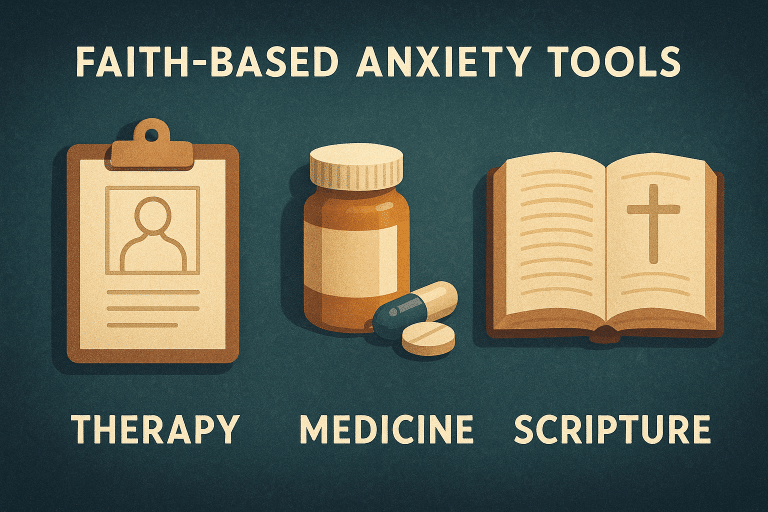
For many Christians, the idea of combining modern therapy or medicine with efforts to strengthen prayer life can feel complicated, but these avenues are not mutually exclusive. In fact, embracing professional help can be a profound act of stewardship over the mental and emotional health God has given you. The Bible encourages seeking wisdom, and according to Psychology Today: Prayer and Mental Health, this includes having the wisdom to know when to seek different kinds of help. When anxiety, depression, or trauma create significant mental noise, it can become incredibly difficult to quiet your mind enough to pray to God. Consequently, addressing these underlying challenges through therapy or medicine can clear the path for a more focused and peaceful connection with Him.
How to Pray God for Mental Well-being
Scientific research increasingly supports the powerful connection between spiritual practices and mental well-being. For instance, studies highlighted by SBCV Proclaimer show that focused prayer can lead to observable changes in the brain, enhancing areas related to social interaction and health. Similarly, research mentioned on Transform Your Brain explains how prayer engages neural pathways to regulate emotional responses. In other words, therapy can help untangle the psychological knots that hinder your emotional stability, while prayer simultaneously reshapes your brain for peace. This combination allows the Holy Spirit to work more freely in a mind that is also being healed through evidence-based care.
Ultimately, God can work through many channels, including skilled therapists and doctors. A balanced approach that integrates faith with professional care is often the most effective. As noted by Biblical View on Antidepressants, relying solely on prayer or solely on medicine can be an unbalanced extreme. Seeking help is not a sign of a lack of faith; rather, it is a humble acknowledgment that God provides various means of healing and restoration. By embracing all the resources available, you honor the complex way you were made and open yourself up to a more resilient and vibrant spiritual life, making your efforts to talk to God more fruitful.
Conclusion: Your Lifelong Conversation to Pray God Begins Now
Embarking on the journey to pray God is not about reaching a final destination, but rather about beginning a lifelong conversation. This continuous dialogue of speaking with God is meant to be a source of strength and transformation, not a test of performance. In fact, as noted by Psychology Today, the true purpose of prayer is less about changing God’s mind and more about changing our own nature. Consequently, every step you take, no matter how small, is a significant part of strengthening your relationship with the Holy Spirit and reshaping your inner world.
Throughout this guide, we have explored that prayer is simply an honest conversation with a loving Father, accessible anytime and anywhere. It does not require eloquent words, just an open heart. Remember that God’s grace is sufficient, especially in moments of weakness, anxiety, or silence. Therefore, you can confidently integrate this spiritual practice with professional care when needed, creating a holistic approach to your well-being. This balanced path, combining faith with modern treatment, is crucial for true healing, a sentiment echoed by sources like Biblical View on Antidepressants. Your journey is uniquely yours, and God meets you exactly where you are.
Ultimately, the most important step is the one you take right now. You don’t need to wait for the perfect moment or the right feeling to begin. Start with just a few minutes of focused prayer each day, a practice that research shows can create tangible changes in your brain, according to Know Prayer, Know Peace and Transform Your Brain. Let go of pressure and embrace the simple, profound act of turning your heart toward Jesus Christ. He is always listening, always ready to welcome you with open arms and guide you toward a life of peace and purpose.