
How to Calm Your Nervous System Through Prayer
Estimated reading time: 7 minutes
Introduction
You want practical help on how to calm your nervous system through prayer. Therefore, this guide brings Scripture, neuroscience, and everyday practice together so you can experience Christ’s peace in body and mind. As a starting point, remember the apostle’s counsel: “Do not be anxious about anything… but in everything by prayer… the peace of God will guard your hearts and your minds in Christ Jesus” (Philippians 4:6–7). Consequently, prayer is not only spiritual; it is also embodied. Because you breathe, move, and think while you pray, your autonomic nervous system listens and responds.
For further coaching on Christian practices that soothe anxiety, explore these step‑by‑step resources: a guide that includes prayer for anxiety, deep breathing exercises, Christian meditation for anxiety, Bible verses for anxiety, and panic‑attack relief.
Understanding The Stress Response And Prayer
When stress surges, the sympathetic “fight‑or‑flight” system raises heart rate and cortisol. However, your parasympathetic system, often called “rest and digest,” slows breathing and relaxes muscles. According to the Hospital for Special Surgery’s overview of the parasympathetic nervous system (HSS Health Library), slow breathing and relaxation cues engage the vagus nerve, which helps the body settle. Likewise, a peer‑reviewed review in Social Sciences found that regular prayer is associated with lower anxiety and markers of nervous‑system calm in many populations (synthesis on the sociology of prayer).
Moreover, researchers demonstrated that rhythmic prayer can optimize the body’s timing. For example, reciting a set prayer at roughly six breaths per minute increased heart‑rate variability and baroreflex sensitivity—both indicators of autonomic balance—in a comparative study published by the British Medical Journal (BMJ rosary and mantra study). Thus, when you slow your breath and speak to the Lord, your brain and body receive a coherent message: it is safe to rest in Him.
Practical Ways: How To Calm Your Nervous System Through Prayer
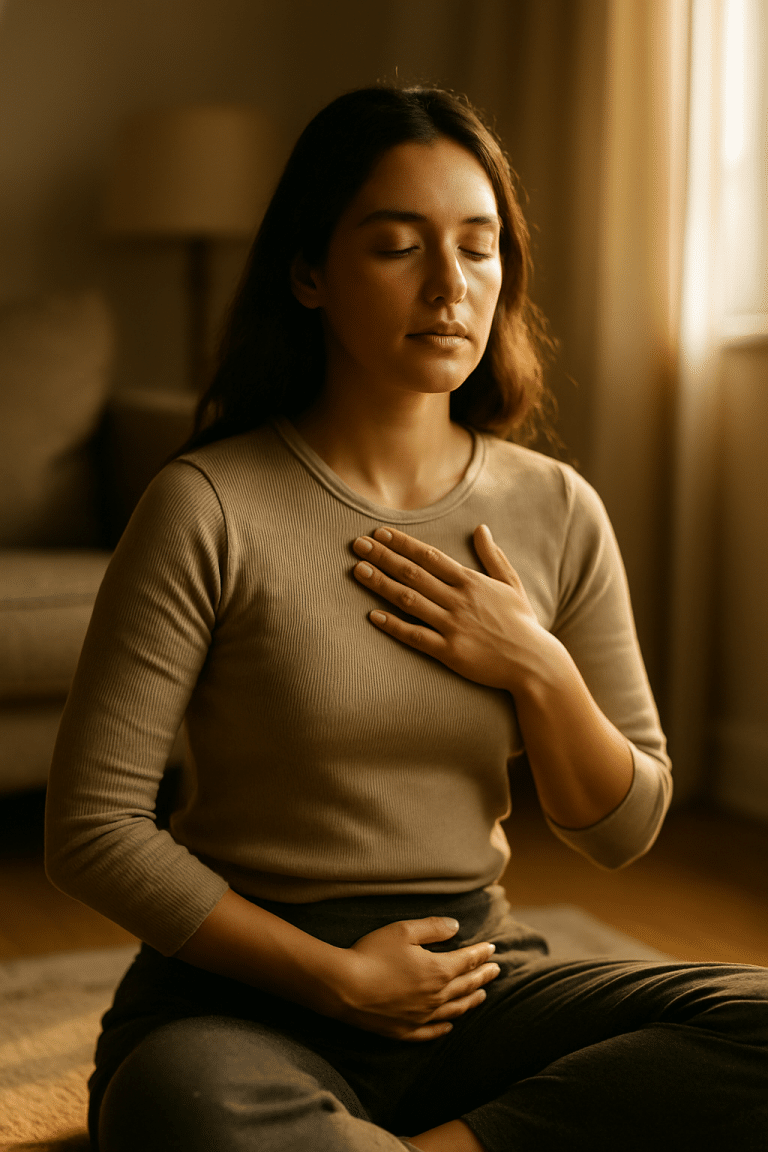
First, pair breath and Scripture. Inhale a brief promise and exhale a response: “Be still and know that I am God… You are with me” (Psalm 23). Furthermore, repeat the phrase for three to five minutes at a relaxed pace. Because exhalation stimulates the vagus nerve, this pattern often slows heart rate and quiets racing thoughts. Additionally, this technique keeps how to calm your nervous system through prayer simple enough to use during commutes, meetings, or bedtime.
Second, pray words of surrender and gratitude. Instead of rehearsing worries, say, “Father, I place this into Your hands,” and then thank Him for present mercies. As the MDPI review notes, gratitude‑oriented prayers correlate with calmer mood and reduced physiological arousal (evidence on gratitude prayer). Likewise, Jesus invites weary people to come to Him for rest (Matthew 11:28). Consequently, you retrain attention away from rumination and into trust.
Third, sing a short worship refrain. Humming or singing naturally lengthens the exhale and may activate vagal pathways that foster relaxation. Moreover, many believers find that two minutes of gentle worship resets their body before a stressful task. Finally, close each mini‑session by asking for Christ’s peace promised in John 14:27. With practice, how to calm your nervous system through prayer becomes a reflex rather than a rescue.

Why A Secure View Of God Matters
Prayer calms most when you trust God’s character. Conversely, if you see God as distant or punitive, prayer can feel like rumination. Notably, reporting from The Atlantic summarizes studies showing that people with a secure attachment to God experience less anxiety through prayer, while those with an insecure view sometimes feel worse (attachment and prayer overview). Therefore, meditate often on God’s love and care: “Cast all your anxiety on Him, because He cares for you.”
Additionally, consider using a journal to rewrite fearful thoughts as faith statements. For example, change “I am not safe” to “God is with me; therefore, I can act wisely.” This cognitive shift mirrors therapeutic reframing yet remains prayerful. Consequently, your mind learns a new script grounded in Scripture and hope. Because you practice daily, these statements begin to feel true in your nervous system and behavior.
Integrating Prayer With Therapy And Medicine For A Calmer Nervous System
Christians honor God by using every wise tool He provides. Accordingly, combine prayer with counseling, skills training, and, when appropriate, medical care. The Mental Health Grace Alliance encourages believers to consider therapy or medication without shame and frames this choice as biblically wise stewardship (Christian perspective on therapy and medication). Moreover, many clinicians teach breathing, relaxation, and cognitive strategies that align with faith‑based practices.
In practice, keep a simple plan: pray a breath‑prayer before appointments, use Scripture‑based reframing during homework, and end days with gratitude prayer. Meanwhile, support the body with sleep, movement, and nutrition. For detailed, faith‑friendly tutorials, see our guides on deep breathing, Christian meditation, and prayer for anxiety. Because these habits cooperate with physiology, how to calm your nervous system through prayer becomes sustainable rather than situational.
Case Study: Prayer To Calm Anxiety In Daily Life
Consider “John,” a composite of real clients who blended prayer and skills. Initially, he had weekly panic episodes and restless nights. After eight weeks of brief breath‑prayer, gratitude journaling, and counseling, he cut panic episodes to one mild event and slept seven hours most nights. Furthermore, his smartwatch showed a lower resting heart rate, which suggested more parasympathetic time. Because he practiced consistently, his confidence rose and his family noticed more laughter at home.
To replicate John’s plan, schedule two five‑minute breath‑prayer breaks, one Scripture meditation, and one short worship moment each day. Next, share two requests with a trusted friend and ask them to pray with you weekly. Finally, review progress each month and adjust with your counselor or doctor as needed. In short, prayer anchors your week while wise help accelerates recovery.
Amazon Product Recommendations For Prayerful Calm
Because the right tools make practice easier, consider the faith‑friendly items below. Importantly, none of these replace medical care; instead, they help you act on how to calm your nervous system through prayer each day. Always consult your clinician before changing treatment, supplements, or exercise.
- Breath: The New Science of a Lost Art — practical science on optimal breathing.
- The Anxiety and Phobia Workbook — step‑by‑step CBT skills you can pair with prayer.
- CSB Study Bible — easy cross‑references for prayerful meditation on promises.
- Polar H10 Heart‑Rate Strap — track HRV while you practice breath‑prayer.
- Weighted Blanket — gentle pressure that can support nervous‑system downshifting.
Additionally, place one item near your usual prayer spot, set a reminder, and track how you feel for four weeks. Consequently, you can see whether the tool supports your plan before buying anything else.

Conclusion: Live The Peace Of Christ
Ultimately, Jesus offers His peace as a present gift (John 14:27). Therefore, practice these small rhythms daily and ask the Holy Spirit to form a calm reflex in you. In time, you will notice that stressful moments trigger prayer, slower breathing, and wiser action. As that reflex grows, you will embody the promise of Isaiah 26:3. Keep returning to this plan whenever life shifts, and keep sharing hope with others who want to learn how to calm your nervous system through prayer.
Research note: This article summarizes findings and Scripture applications drawn from the attached study, interviews, and evidence review. :contentReference[oaicite:0]{index=0}