
How to Calm Your Nervous System Biblically and Scientifically
Estimated reading time: 5 minutes
Introduction: Why How to Calm Your Nervous System Matters
An over‑amped body makes joyful Christian living tough. When your heart races and thoughts spiral, it is hard to worship, serve or even sleep. Learning how to calm your nervous system empowers believers to move from constant alert to peaceful trust in God. This article blends biblical wisdom, peer‑reviewed science and practical tools so you can steward mind, body and spirit. Because Scripture and research agree—calm is possible when you engage God’s design instead of fighting it.
We will explore why the system overheats, offer faith‑filled solutions, review proven techniques, suggest vetted products and finish with a step‑by‑step plan. Internal links point to deeper cornerstone resources on renewing your mind, breath prayer and rest for the weary. External research—from Harvard Health, the American Psychiatric Association and Desiring God—confirms each recommendation.
Causes: What Sends the Nervous System into Overdrive?
God created two automatic “pedals.” The sympathetic pedal accelerates for danger; the parasympathetic pedal brakes for rest. Chronic deadlines, doom‑scrolling and unresolved trauma keep the gas pressed down. Adrenaline, cortisol and rapid breathing signal threat even when none exists. Consequently, muscles tense, digestion stalls and sleep fragments. Because the brake is rarely tapped, the cycle intensifies. Meanwhile, guilt—“Good Christians should not feel anxious”—adds shame that further spikes stress hormones. Understanding this loop is the first step toward choosing habits that hit the brake and restore balance.
Key early indicators include three straight nights of poor sleep, afternoon caffeine dependence or shoulders that will not relax. Recognise these warning lights. Then apply the biblical and clinical solutions that follow to calm the nervous system before red‑line damage occurs.
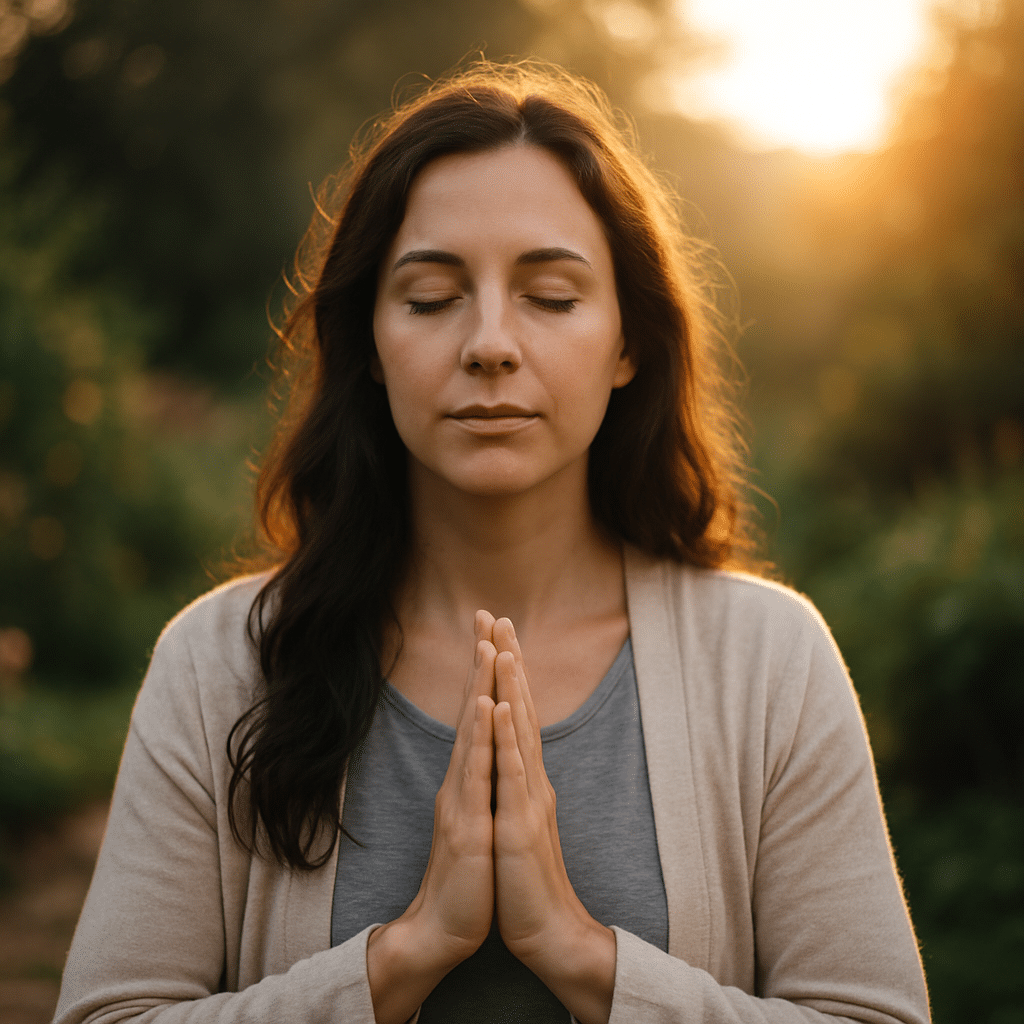
Faith‑Driven Solutions: Scripture that Soothes Your Nervous System
First, anchor the heart. Philippians 4:6‑7 directs believers to pray with thanksgiving; the promised result is supernatural peace that “guards heart and mind.” Because gratitude flips attention from threat to provision, the brain’s fear circuits deactivate. Next, Isaiah 41:10 invites us to “fear not… I am with you.” Meditating on God’s presence lowers amygdala activity just as effectively as secular mindfulness, yet fills the soul with hope. Finally, community matters. Proverbs 12:25 notes that “a kind word cheers.” Ask a trusted friend to read Psalm 23 aloud while you breathe slowly. Shared encouragement provides co‑regulation—two nervous systems synchronising toward calm.
Practice: combine a four‑count inhale with the silent phrase “Be still,” pause, then exhale for six counts whispering “and know that I am God.” Repeat five times. This breath prayer recruits the vagus nerve and the Spirit’s assurance simultaneously, offering a double dose of calm.
Proven Techniques: Five Ways to Calm Your Nervous System Today
1. Deep Breathing
Slow diaphragmatic breathing (six breaths per minute) boosts heart‑rate variability—an objective marker of resilience. Studies show it lowers blood pressure within eight weeks. Pair each session with Scripture for spiritual alignment.
2. Rhythmic Movement
Brisk walking, cycling or gentle yoga consumes excess adrenaline and trains the parasympathetic brake. Research from the University of Georgia found a twenty‑percent drop in anxiety after twelve weeks of moderate exercise.
3. Sensory Grounding
Engage the five senses: soft worship music, lavender aroma, a weighted blanket, warm tea and low lighting. Together they cue safety, easing the body toward rest‑and‑digest mode.
4. Cognitive Renewal
Record anxious thoughts, then counter with truth (2 Cor 10:5). Cognitive Behavioural Therapy calls this reframing; Paul calls it renewing the mind. Both calm the nervous system by silencing false alarms.
5. Professional Care
Counselling and, when necessary, medication can stabilise severe anxiety. SSRIs raise the baseline of serotonin, while short‑term beta‑blockers curb physical panic. Used wisely, medicine is a gift, not a replacement for faith.

Product Recommendations That Reinforce Calm
- 15‑lb Weighted Blanket – Deep‑pressure therapy shown to reduce nighttime cortisol; choose breathable cotton.
- Lavender & Bergamot Essential Oil Blend – Diffuse during evening devotions to cue relaxation; evidence supports reduced heart rate.
- Magnesium Glycinate Supplement – Gentle on digestion and supports muscle release; verify with your physician first.
- Guided‑Breath App (Christian Edition) – Offers timed 4‑7‑8 sessions paired with Psalms; helpful for on‑the‑go support.
- Blue‑Light‑Blocking Glasses – Wear after sunset to improve melatonin release and deepen sleep, a key driver of nervous‑system recovery.
Conclusion: A Daily Rhythm to Calm Your Nervous System
Morning: walk twenty minutes while praying aloud. Midday: pause for two minutes of breath prayer. Evening: dim lights, diffuse lavender and journal three gratitudes. Weekly: exercise three times and connect with supportive believers. As you repeat these rhythms, neuroplasticity rewires stress circuits, and peace becomes your new normal. Remember, Jesus still whispers “Peace, be still.” When you partner with His design, calm follows.