Faith Christians: Overcoming Spiritual Crisis & Doubt
Estimated reading time: 12 minutes
Introduction: the Unspoken Struggle of Faith Christians
In the quiet corners of the heart, many faith christians face a silent battle with doubt, anxiety, and spiritual burnout. This journey can feel incredibly isolating, leading to the mistaken belief that you are alone in your Christian faith struggles. However, history and scripture tell a different story; even foundational biblical figures experienced profound despair and depression. For instance, prophets like Elijah and kings like David were not strangers to emotional turmoil, a reality that modern science is beginning to explore more deeply, as noted by research available on pmc.ncbi.nlm.nih.gov. Consequently, understanding this shared human experience is the first step toward healing and strengthening your faith.
Science-backed Practices for Christian Faith
Navigating a spiritual crisis in the modern world requires more than just theological reflection; it involves understanding how our minds and bodies are designed. Thankfully, contemporary psychology and neuroscience offer incredible insights that align with a holistic Christian worldview. Research highlighted by Prayer and Brain Research shows that spiritual practices like prayer have tangible, positive effects on brain function, impacting areas related to emotion and compassion. In other words, our faith is not a disconnected spiritual concept but an embodied reality that deeply influences our mental and emotional health. Recognizing this connection opens new avenues for supporting our well-being.
This article serves as a compassionate guide, blending timeless biblical wisdom with evidence-based strategies from mental health and neuroscience. We will explore how spiritual habits like prayer and gratitude are not only spiritually enriching but also contribute to long-term mental wellness, a concept supported by studies from PMC NCBI NLM. For example, the simple act of a gratitude exercise can significantly improve mood, as explained in reports from Neuroscience and Prayer Research. Our goal is to equip you with practical tools to manage doubt, calm your nervous system, and ultimately cultivate a more resilient and joyful relationship with God. You are not failing, and there is a path forward filled with grace and hope.
Understanding the Roots of a Christian Spiritual Crisis
A Christian spiritual crisis often feels like a lonely, disorienting wilderness, yet it’s a path many faith Christians walk. This period of intense doubt can involve questioning core beliefs, feeling distant from God, or struggling with the church’s teachings. Importantly, this experience is not a sign of failed faith but a profound human moment. Even heroes of the faith like David and Elijah faced periods of deep despair and depression, as noted by research in PMC NCBI NLM, validating that struggle is part of a real, vibrant faith journey.
The roots of these crises are complex and deeply personal, often stemming from a combination of factors. For instance, unresolved emotional trauma, significant life disappointments, or encountering intellectual challenges to Christian theology can trigger profound doubt. Furthermore, the connection between spirituality and mental health is significant; studies reviewed by PMC NCBI Articles explore the intricate relationship between religious belief and depressive symptoms. Understanding these triggers is a crucial first step toward healing and strengthening your faith.

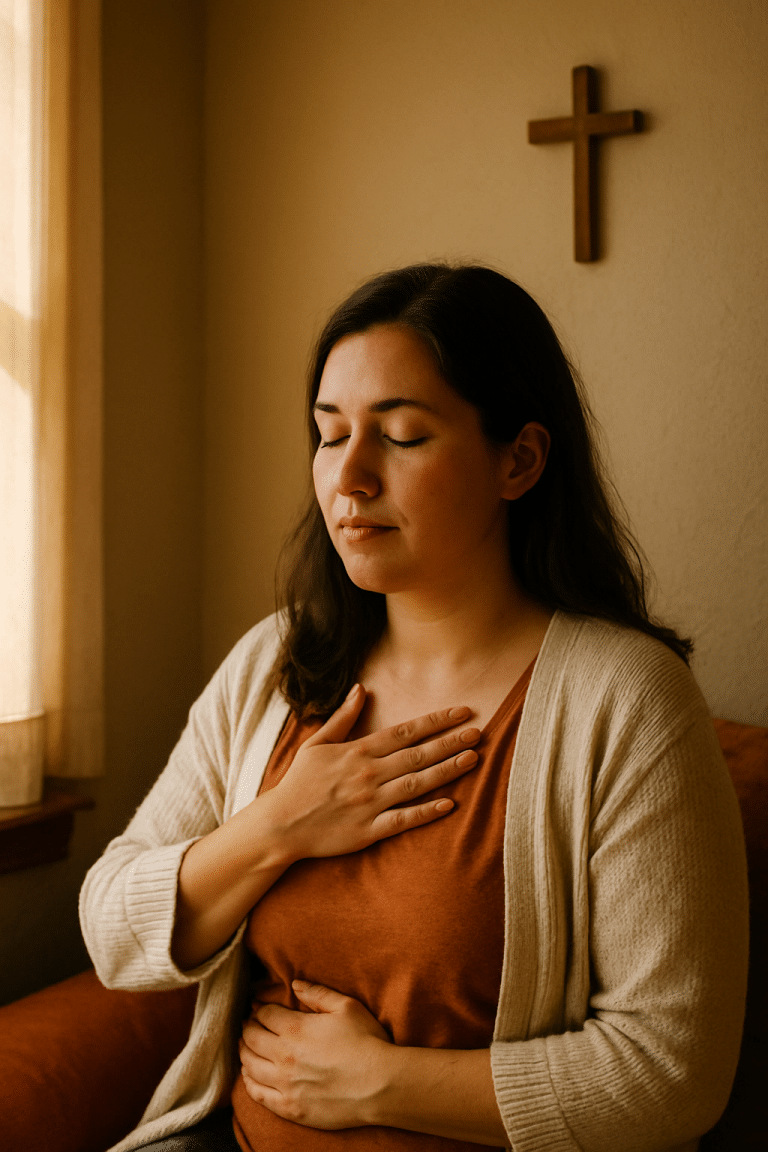
Many faith Christians experience a silent, internal struggle with doubt and anxiety, a common yet unspoken part of the spiritual journey.
It is also vital to recognize the role of our physical bodies, particularly the nervous system and brain, in our spiritual experience. Chronic stress or untreated mental health conditions can alter our psychology, making it difficult to access feelings of peace or connection with God. However, there is good news. Research highlighted by Prayer-Brain Research shows that spiritual practices like prayer can create tangible, positive effects on brain function. In other words, engaging our faith can actively help reshape the very mental states that contribute to a spiritual crisis, offering a pathway through the doubt.
The Brain, Belief, and Burnout: a Theological Perspective
Christian theology has long understood that humans are integrated beings, yet it can be a profound relief for faith christians to recognize how deeply the state of the physical brain impacts spiritual vitality. When we experience prolonged stress, our nervous system enters a state of chronic activation, leading to burnout that is not just emotional but physiological. Consequently, this exhaustion can create significant Christian faith struggles, making prayer feel empty or scripture seem distant. Understanding this connection is a critical first step in navigating a spiritual crisis with grace, recognizing that our mental health and physical state are intertwined with our walk with God.
Modern science affirms the wisdom of ancient spiritual practices, showing they have tangible effects on our brains. Research reported by Broadview Prayer Brain Research indicates that activities like prayer increase activity in brain regions associated with focus and compassion. Furthermore, studies reviewed by PMC NCBI NLM demonstrate how spiritual practices can reduce depressive symptoms. In other words, disciplines like gratitude are not merely a matter of willpower; as neuroscientist Richard Davidson found, they can significantly improve mood, which is discussed in a Neuroscience of Prayer article. This intersection of psychology and faith provides a powerful framework for strengthening your faith from the inside out.
Therefore, addressing spiritual burnout requires a holistic approach that honors the connection between brain, belief, and body. Engaging in practices like contemplative prayer, gratitude journaling, or even mindful moments in nature are not escapism but are instead God-given tools for regulating our nervous system and renewing our minds, as encouraged in Romans 12:2. When we feel too depleted to connect with God, these gentle, embodied practices can restore the physiological balance needed for our faith to flourish once again, reminding us that God’s grace meets us even in our neurological exhaustion.
Reframing Doubt: a Biblical View on Doubt for Faith Christians
Many faith christians experience seasons of questioning, and navigating doubt as a Christian can feel isolating and frightening. However, from a biblical perspective, doubt is not necessarily a sign of a failing faith but an invitation to a deeper relationship with God. Christian theology shows us that even the most revered figures in Scripture wrestled with profound uncertainty and despair. For instance, heroes of faith like David and Elijah faced periods of intense struggle, as noted in research from PubMed Central. In other words, experiencing a spiritual crisis is a deeply human experience, one that is reflected in the very pages of the Bible and acknowledged in Christian belief support systems.
Embracing Doubt to Strengthen Christian Faith

A spiritual crisis can feel like a lonely wilderness, but it’s a path many faith Christians walk on their journey. Understanding its roots is the first step toward strengthening your faith.
Instead of viewing doubt as the opposite of faith, we can reframe it as an active component of it. Genuine faith is not the absence of questions but the courage to bring those questions before God. This process of honest inquiry is essential for strengthening your faith beyond inherited beliefs into a personal, resilient conviction. Engaging in spiritual practices like prayer during these times can have tangible effects on our mental state. Research highlighted by Prayer-Brain Research indicates that such spiritual activities can increase brain activity, helping to foster a sense of peace and connection. Therefore, wrestling with difficult theological concepts is not a sign of weakness; rather, it is a pathway to a more robust and authentic spiritual life.
Embracing this biblical view on doubt allows us to transform a potential spiritual crisis into an opportunity for growth. Instead of suppressing questions, we can pursue spiritual habits that foster mental and spiritual well-being. According to National Center for Biotechnology Information, practices like honest prayer and meditating on scripture contribute positively to long-term mental health. Similarly, neuroscientist Richard Davidson’s work, mentioned by Prayer and Brain Research, shows that gratitude exercises can significantly improve mood. By leaning into these practices, faith Christians can navigate seasons of doubt with hope, ultimately building a faith that is both intellectually sound and deeply felt.
Practical Steps for Strengthening Your Faith When IT Wavers
When navigating doubt as a Christian, taking intentional, practical steps can be profoundly stabilizing for your mind and spirit. Rather than simply waiting for feelings of certainty to return, you can actively engage in practices that nurture your relationship with God. For instance, these actions create a foundation that supports you when your emotional connection feels distant or strained. Consequently, this proactive approach is a testament to a living faith that persists through seasons of uncertainty, moving beyond mere emotional experience toward a committed trust.
Engaging in spiritual disciplines offers a direct way to reconnect with God. Consistent prayer, for example, is more than a spiritual duty; research shows it has real, measurable effects on our minds, even increasing our capacity for compassion, as noted by Broadview Prayer Research. In addition, practicing gratitude can significantly alter your perspective. According to neuroscientist Richard Davidson, gratitude exercises are proven to improve mood and reduce depression, a finding discussed by Broadview Prayer Brain Research. This aligns perfectly with scripture’s call to “give thanks in all circumstances” (1 Thessalonians 5:18), grounding a powerful psychological tool in timeless biblical truth.
Christian theology emphasizes that we were not designed to face struggles alone. The Bible instructs us to “bear one another’s burdens” (Galatians 6:2), which counters the isolating belief that you must handle a spiritual crisis by yourself. Research from PubMed Central reinforces the importance of communal support for mental well-being. Furthermore, caring for your physical body is an act of spiritual stewardship. A comprehensive review by University of South Australia highlights that physical exercise is highly beneficial for improving symptoms of depression and anxiety. Therefore, connecting with a trusted friend, pastor, or counselor and engaging in physical activity are vital steps in holistically strengthening your faith.
When to Seek Help: Support Systems for Faith Christians

Theology offers a profound perspective on burnout, acknowledging that our mental and spiritual well-being are deeply intertwined. Many faith christians find relief in understanding these connections.
Navigating Christian faith struggles is not a journey meant to be walked alone. For many faith christians, the thought of asking for help can feel like a spiritual failure, but Christian theology teaches the opposite. The Bible encourages believers to “Carry each other’s burdens, and in this way you will fulfill the law of Christ” (Galatians 6:2). In fact, research from PMC National Center for Biotechnology Information reinforces the importance of communal support for mental well-being, countering the isolating belief that you must face these challenges by yourself. Recognizing when you need support is a sign of wisdom and courage, opening the door to healing and a stronger connection with God.
Navigating Doubt with Christian Community Support
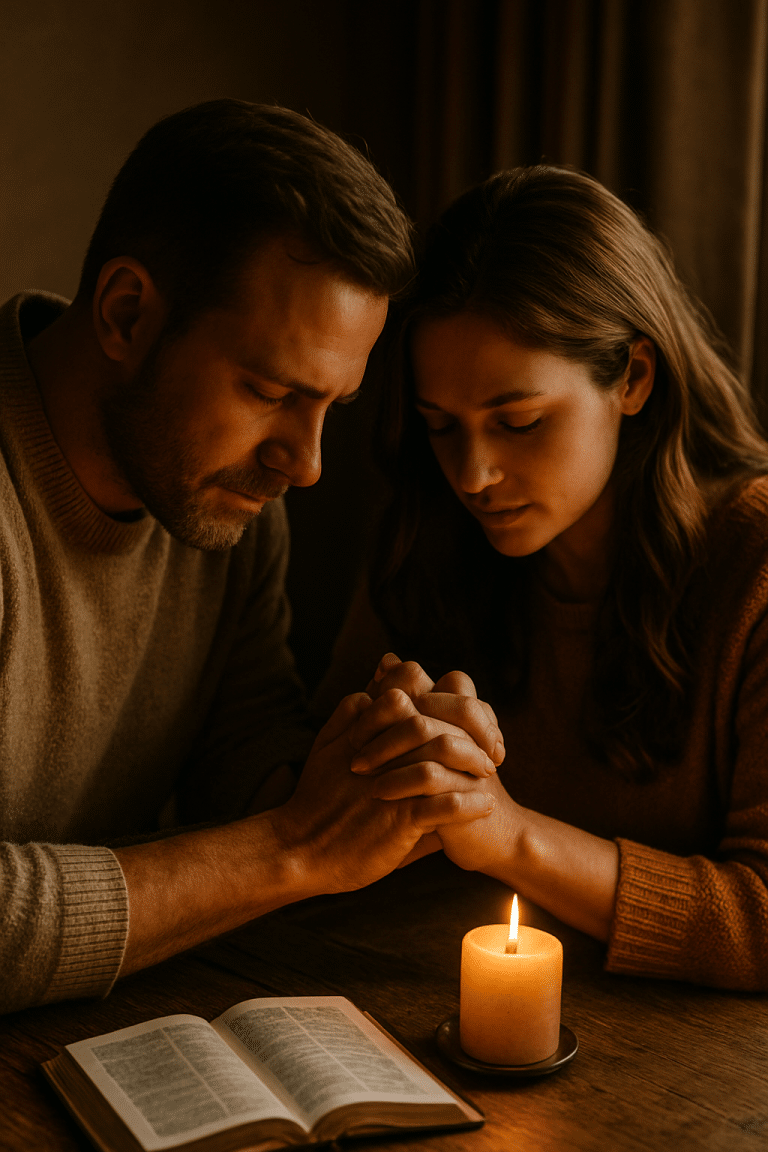
Your first line of support is often the community God has already placed around you. For instance, this can include a church small group, a trusted mentor, or a wise friend who can offer prayer and a listening ear. Sharing your experience with fellow believers can demystify your struggles and remind you that even biblical heroes faced despair, a point highlighted by research from PMC National Center for Biotechnology Information. Furthermore, engaging in spiritual practices together, like prayer, not only strengthens bonds but can also foster greater compassion, as noted by Broadview Prayer Research. This shared journey provides accountability and tangible expressions of God’s love through His people.
In addition to community, there are times when professional help is a necessary and godly step. Christian counselors, therapists, and medical doctors can provide specialized care that integrates psychological principles with Christian theology. While some may feel hesitant, it’s important to view these resources as instruments of God’s healing. For example, some Christian perspectives frame antidepressants not as a replacement for faith but as a potential “gift of God’s grace” to restore brain chemistry, according to Spirituality and Health Duke. Resources from institutions like Case Study: Renewal show how faith can be powerfully integrated with professional mental health treatment. Seeking this kind of support is not a denial of God’s power but rather an embrace of the various ways He provides for our well-being.
Real Stories: How Faith Christians Navigated Their Spiritual Crisis
Many faith christians find themselves navigating doubt, feeling isolated in their spiritual crisis. Consider Sarah, a lifelong churchgoer who felt her connection to God vanish during a period of intense personal loss. Her story is not uncommon; in fact, even biblical figures like David and Elijah experienced profound despair, as noted by research in PubMed Central. For Sarah, the turning point came not from a single moment of revelation, but through a gentle process of rebuilding. She committed to just five minutes of quiet prayer each morning, which research suggests can have tangible effects on brain regions governing emotion, a concept explored by Prayer and Brain Research. Consequently, this small step began to quiet her anxiety.
Alongside spiritual practices, Sarah sought support from a Christian counselor and a trusted small group from her church. This combination of professional guidance and community support is a powerful tool, reinforcing the biblical principle of bearing one another’s burdens (Galatians 6:2). It counters the isolation that so often accompanies a crisis of faith. Furthermore, she began a gratitude journal, a practice neuroscientist Richard Davidson found significantly improves mood, as reported by Prayer and Brain Research. Over time, these integrated steps didn’t erase her questions, but they rebuilt her trust in a God who meets us in our struggles. Sarah’s journey illustrates that renewal is a pathway of small, intentional steps that integrate mind, body, and spirit.
Conclusion: Walking Forward in Renewed Hope and Belief
Navigating doubt as a Christian is not a sign of failure but a profound part of the human experience, shared even by biblical figures. In fact, historical and scriptural accounts show that heroes of the faith like David and Elijah endured periods of deep despair and what we would today call depression, as noted in research from PMC NCBI Articles. Therefore, understanding that these struggles are a normal part of a deep spiritual life allows faith Christians to move forward not in shame, but with the grace to seek restoration. This journey is not about eliminating questions but learning to walk with God through them, toward a more resilient and authentic belief.
Christian Faith: Integrating Spiritual & Practical Care
Ultimately, strengthening your faith involves a holistic approach that integrates spiritual disciplines with practical, evidence-based care. Spiritual habits like prayer and meditation are not merely abstract exercises; research shows they can create tangible changes in the brain, as reported by Broadview Prayer Brain Research. Furthermore, practices like keeping a gratitude journal are shown to significantly improve mood, a finding that modern psychology, referenced by Broadview Prayer-Brain Research, now affirms. These habits contribute powerfully to long-term mental health, as discussed by PubMed Central. Embracing community, caring for your physical body, and seeking wise counsel are all acts of faith that build a foundation for lasting hope.
The path forward is one of hope, illuminated by the promise that you do not walk alone. A Christian spiritual crisis can be a catalyst for a deeper, more profound relationship with God, grounded in both grace and truth. Remember that seeking help—whether through a pastor, a Christian counselor, or a medical professional—is an act of courage and faithful stewardship of the life you have been given. May the God of hope fill you with all joy and peace as you trust in him, so that you may overflow with hope by the power of the Holy Spirit (Romans 15:13). Your season of doubt does not have the final say; God’s renewing grace does.